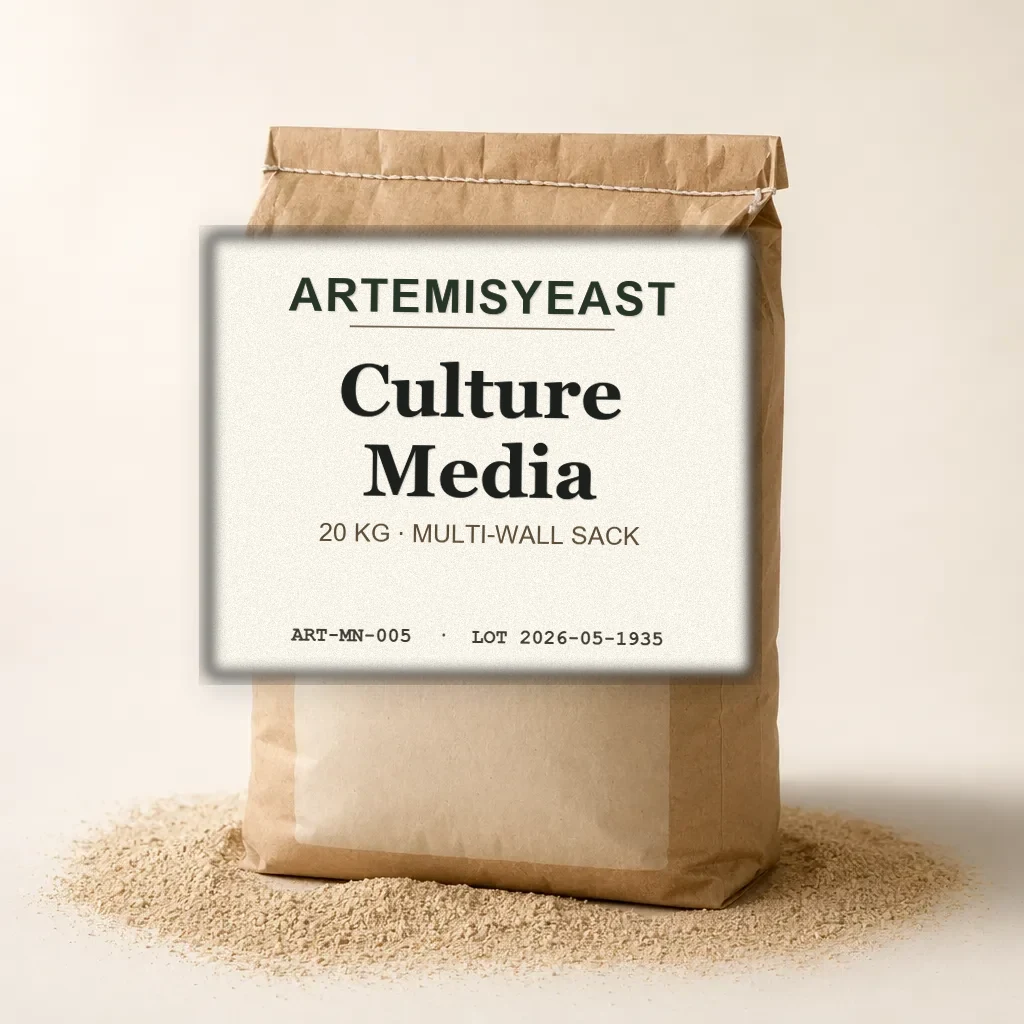
Culture Media for Microbial Fermentation
Culture media for microbial fermentation is a blended nutrient input used to support controlled growth and metabolite production in industrial microorganisms. ART-MN-017 is supplied for B2B fermentation programs requiring consistent nitrogen, carbon-support nutrients, minerals, and growth factors in a dry, scalable format. It is suitable for process development, pilot runs, and production procurement where documentation, lot traceability, and dependable international supply are required. Wholesale pricing on request is available through ArtemisYeast for qualified bulk buyers.
- ✓ Free worldwide shipping
- ✓ ISO-aligned manufacturing
- ✓ Certificate of Analysis on request
- ✓ Bulk & custom volumes quoted on request
Overview
ART-MN-017 is a dry culture media matrix for microbial fermentation, supplied in a 20 kg multi-wall sack for industrial handling. The product is designed as a microbial nutrition input for yeast, bacterial, and fungal fermentation systems where consistent nutrient contribution is required across seed, inoculum, and production stages. It may be used as a base medium component or as part of a custom nutrient premix, depending on strain requirements, sterilization method, and process economics.
Typical formulation parameters can include yeast-derived nitrogen, peptides, amino acids, vitamins, trace minerals, buffering salts, and carbohydrate-support fractions, with specification targets adjusted by project. Common procurement specifications include moisture not more than 8.0%, total nitrogen reported by lot, protein equivalent typically 35-55% where yeast extract or hydrolysate fractions are used, ash typically 8-18%, and particle size commonly 40-80 mesh for dry blending and rapid hydration. For live-cell inoculum programs, related yeast nutrition items in microbial nutrition and fermentation may be matched to process targets such as growth rate, oxygen uptake, foam profile, and downstream separation performance.
Applications
- Industrial microbial fermentation: nutrient support for production of organic acids, enzymes, flavors, biochemicals, starter cultures, and other fermentation-derived ingredients where batch-to-batch consistency is critical.
- Upstream bioprocess development: dry media component for non-sterile-to-sterile process design, including media screening, scale-up comparison, and feed strategy optimization in controlled fermenters.
- Yeast and bacterial propagation: nitrogen, vitamin, and mineral contribution for biomass build-up, inoculum expansion, and fermentation robustness under defined process controls.
- Food and beverage ingredient production: culture nutrition for food-grade microbial processes, subject to customer validation, regulatory review, and finished-product labeling requirements.
- Contract manufacturing and toll fermentation: sack-packed media input for plants that require documented raw materials, repeatable hydration behavior, and practical warehouse handling.
Storage and Handling
Store ART-MN-017 in the original sealed 20 kg multi-wall sack in a clean, dry, odor-free warehouse. Recommended storage is below 25°C with relative humidity controlled to limit caking and moisture pickup. Avoid direct sunlight, floor condensation, and proximity to volatile chemicals. Under recommended conditions, typical shelf life is 18-24 months from manufacture, subject to the confirmed certificate of analysis and customer storage practices.
For use, add slowly into agitated water to minimize lumping, then hydrate according to the plant mixing procedure. The material may be sterilized by heat treatment where compatible with the formulation and customer process. Because amino nitrogen, color, and Maillard reaction tendency can vary by sterilization profile, ArtemisYeast recommends bench or pilot confirmation before full-scale adoption. Operators should follow standard dry-powder handling practice, including dust control, local ventilation, and appropriate personal protective equipment.
Quality and Documentation
ArtemisYeast supplies ART-MN-017 with procurement-focused documentation for industrial users. Lot-specific certificate of analysis can include appearance, odor, moisture, pH in solution, total nitrogen or protein equivalent, ash, and microbiological indicators as agreed in the purchase specification. Heavy metals, allergens, non-GMO statement, food-grade declaration, Halal, Kosher, HACCP, ISO 22000, or FSSC 22000 documentation may be available on request depending on the selected manufacturing route and regional requirement.
Quality review should be completed before purchase for regulated food, feed, or bioprocess applications. Our team can support specification alignment, sample coordination, and logistics planning through the quality documentation process. For commercial supply, submit requirements through request a quote with target organism, use level, sterilization method, annual volume, destination port, and required documents so that a bulk quote on request can be prepared accurately.
About this product
What is the typical shelf life?
Do you offer documentation (CoA, food-grade declaration)?
What is the minimum order quantity?
Is bulk pricing available?
How is this product shipped internationally?
More from Microbial Nutrition & Fermentation
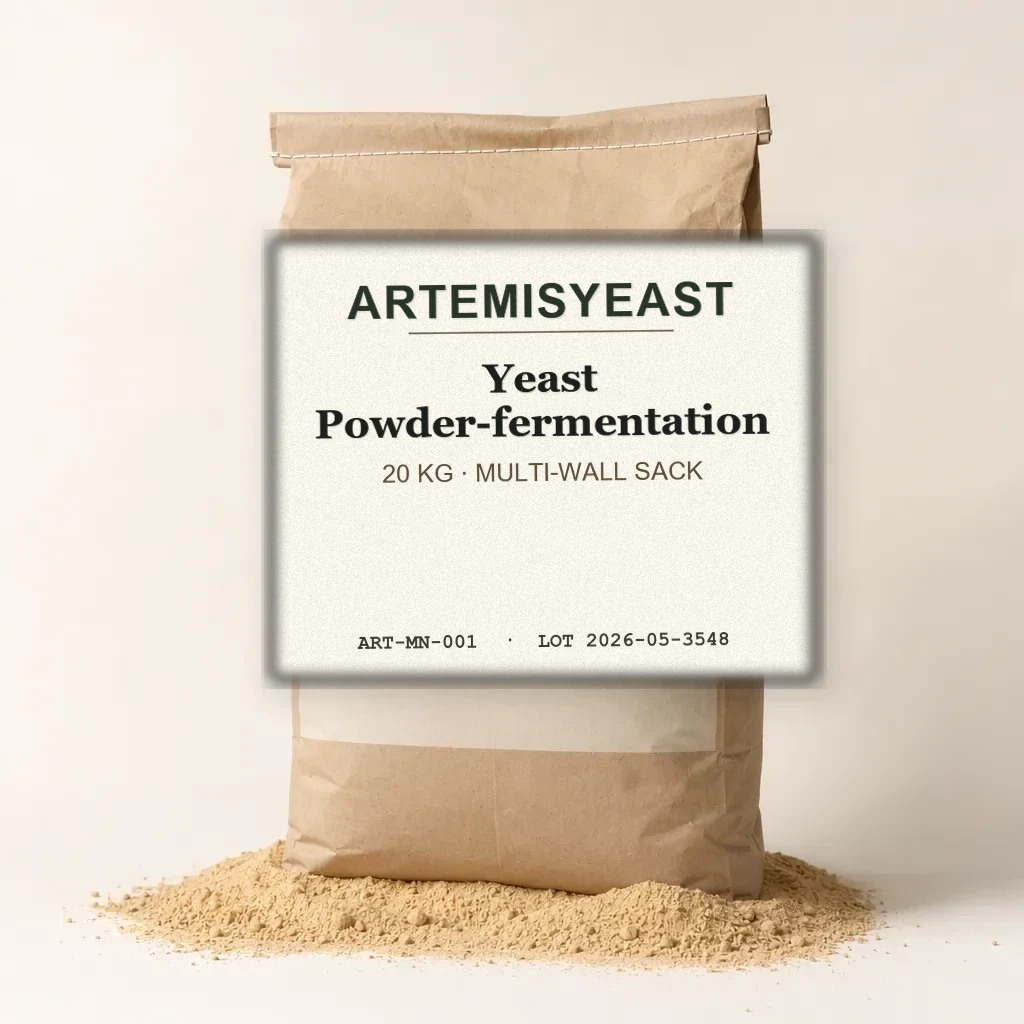
Yeast Powder for Industrial Fermentation Nutrition
Microbial nutrition input — yeast powder-fermentation for industrial fermentation, cell culture, and biopharma upstream.
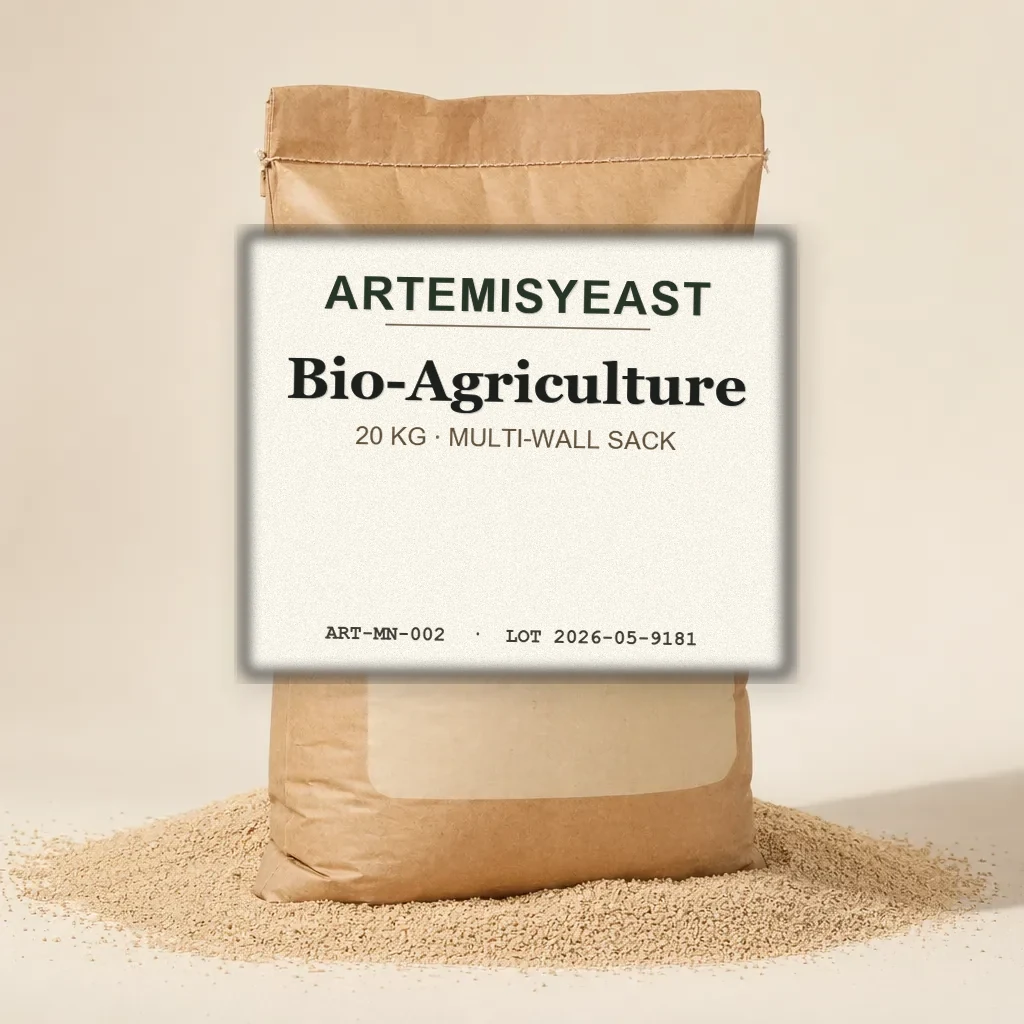
Bio-Agriculture Microbial Nutrition Input, 20 kg Sack
Microbial nutrition input — bio-agriculture for industrial fermentation, cell culture, and biopharma upstream.
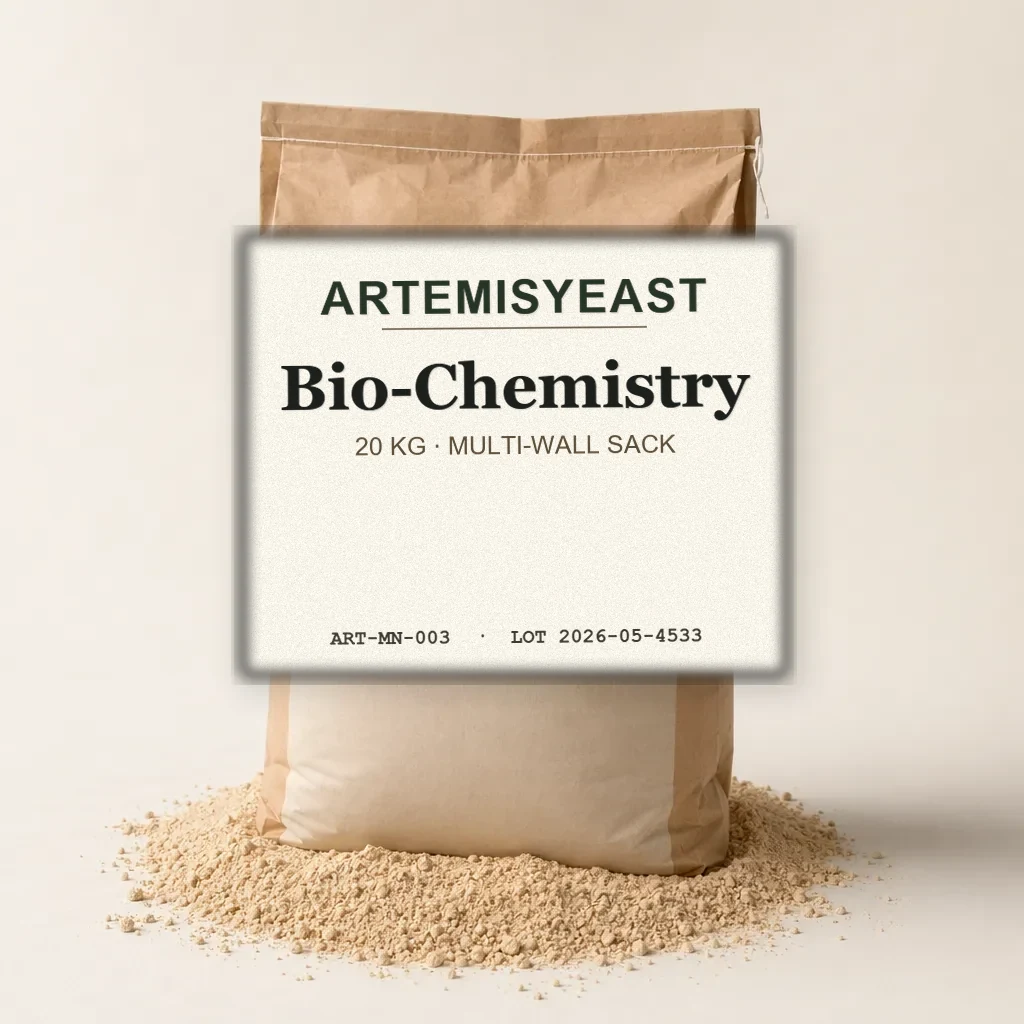
Bio-Chemistry Fermentation Nutrient Blend ART-MN-003
Microbial nutrition input — bio-chemistry for industrial fermentation, cell culture, and biopharma upstream.
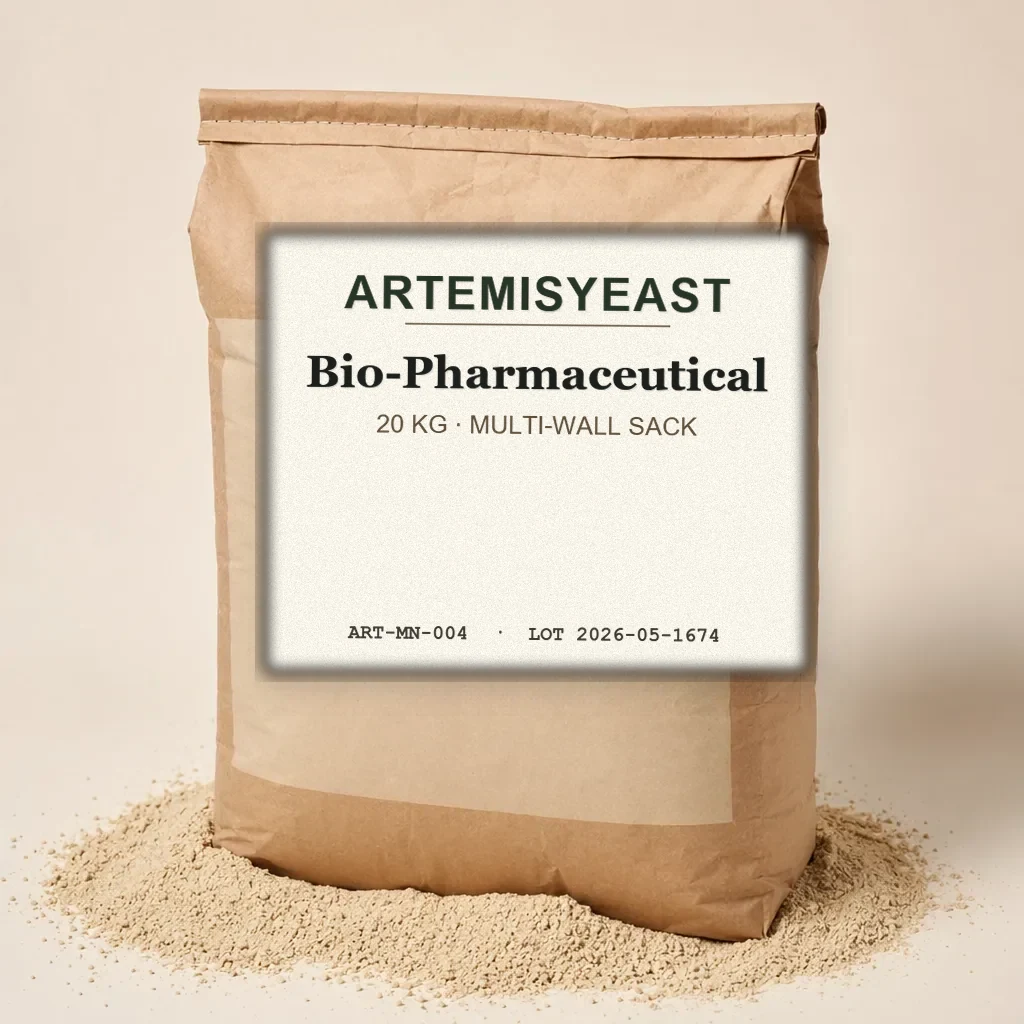
Bio-Pharmaceutical Microbial Nutrition Input, 20 kg
Microbial nutrition input — bio-pharmaceutical for industrial fermentation, cell culture, and biopharma upstream.
Request a Custom Quote
We have received your message. We will reply by email.