Yeast Extract in Bouillon Cubes and Soup Bases: Body, Sodium and What to Specify
A cube that tastes of salt but not of stock is the fault most bouillon plants are asked to fix, and more umami powder does not fix it. The commercial problem is that a factory broth struggles to match the depth of an expensive, long-simmered natural stock, and a cube is bought because it is easy and inexpensive, so the depth has to come from ingredients that work at a low dose. This page is for the R&D or purchasing lead at a cube, instant-soup, sauce-base or stock-powder plant, starting from a first 20 kg sack.
Where a yeast extract earns its place
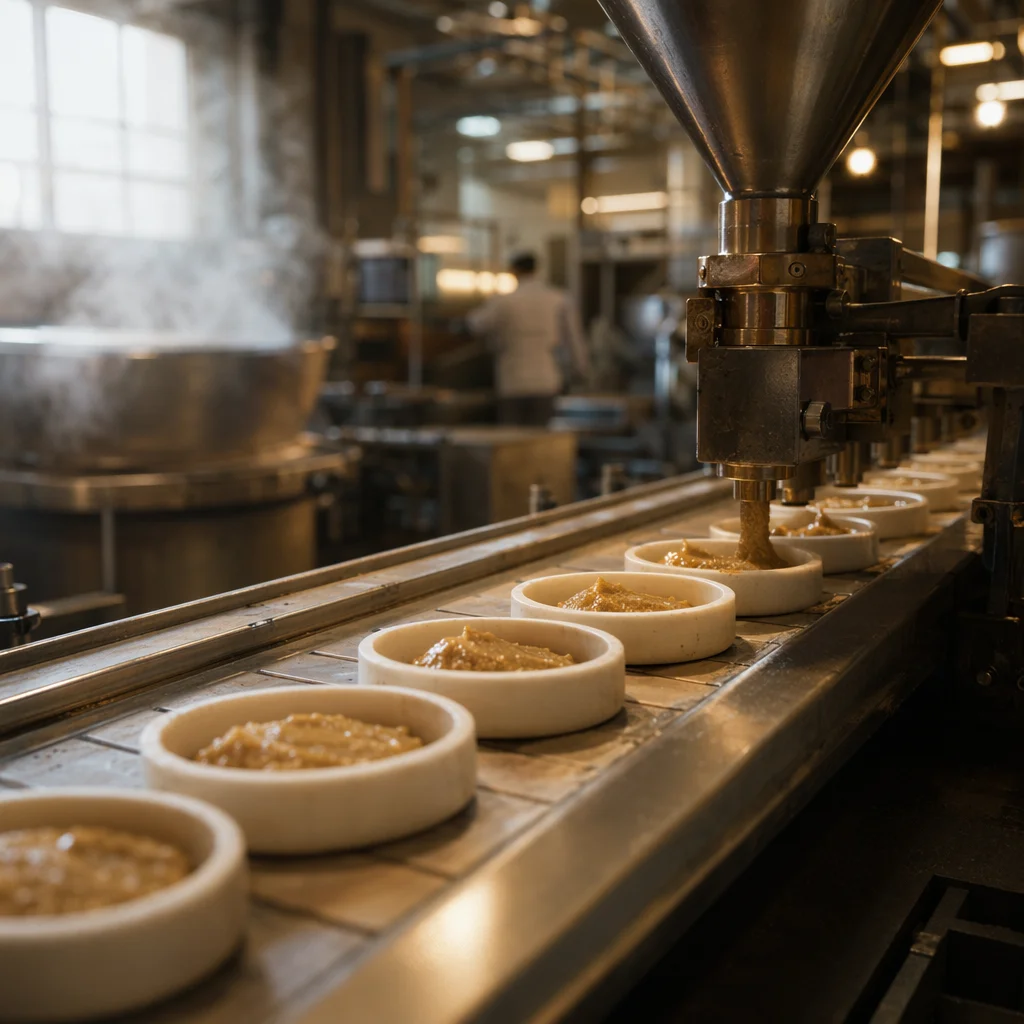
A cube is dehydrated stock: spices, herbs, dehydrated poultry or vegetables, salt, meat stock and a few additives, and its buyers describe it as a factory mix of glutamate and little else, with less meat than they would like. The claims a commercial cube is now measured against are the ones small makers put on theirs: no added MSG, low sodium, natural umami-rich ingredients, with a yeast spread as the umami source. Demand is also moving to meat-free bases: a chicken-style broth powder built on yeast, salt, sugar and seasoning draws requests for a beef-style version, and a paste range sold as no-beef and no-chicken is asked for a no-pork one. The same paste is used as the flavour base for instant noodles, so plan one meat-free grade across several variants and lines, not one grade per product.
Umami is not body
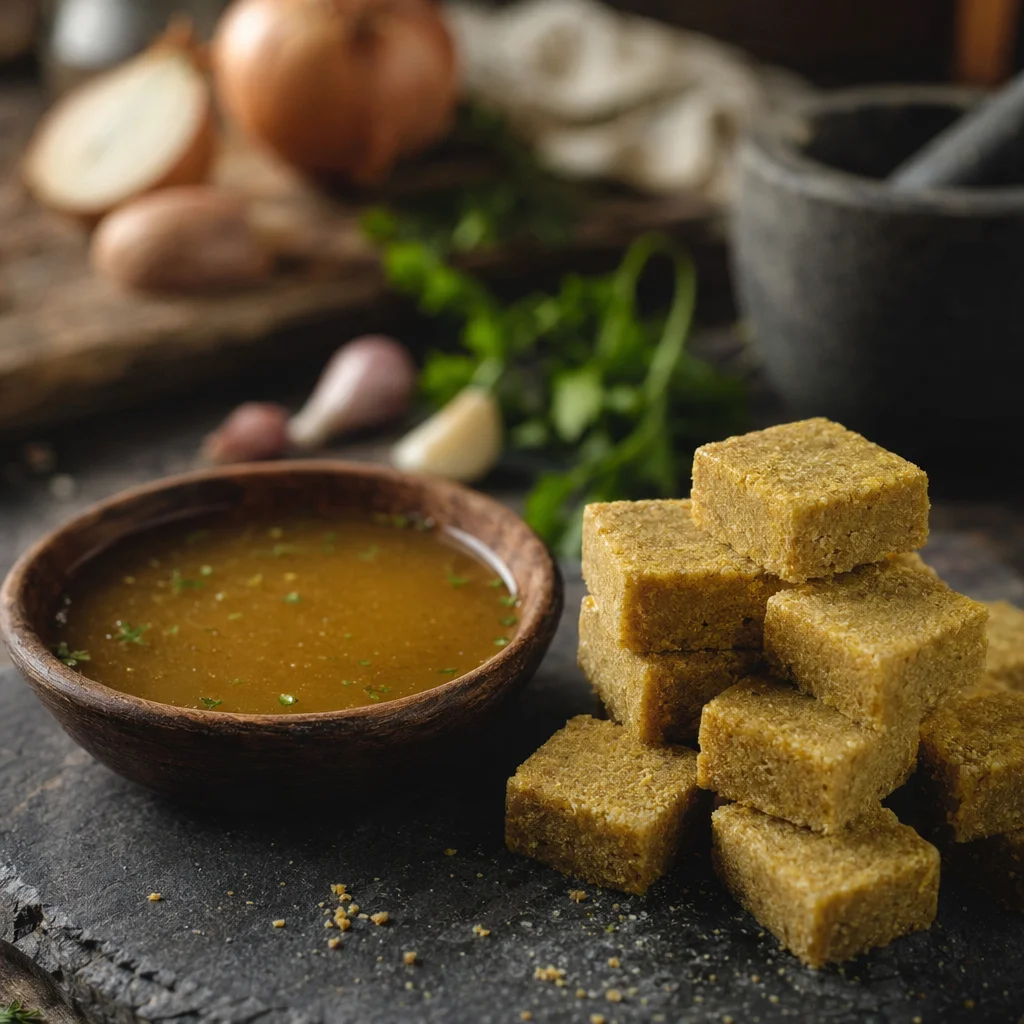
Glutamate and nucleotides give a broth umami, but not the complex thickness that makes it satisfying, which is why a base can be fully seasoned and still taste thin. One sensory trial closed that gap with a heat-reacted booster dosed at 0.1% of the finished product, inside a workable range of 0.005-20%, and the result held across beef extract, curry, vegetable soup and yeast-extract bases. A panel of 20 tasters rated the treated broth higher for body (17/20), aftertaste (17/20), complex taste (18/20) and overall preference (17/20), significant at p<0.05.
Be clear about what that booster is before it goes near a formulation: a reaction product of gelatin, a tropomyosin hydrolysate (hydrolysed muscle protein) and the low-molecular-weight fraction of a natural extract, heated together in water at 85-121 C for 3-6 hours, with the components at 0.05-0.1%. It is animal-derived, so it belongs in meat bouillon lines only and never in the formulation or on the declaration of a vegan, vegetarian or clean-label variant. In those lines, body comes from a mouthfulness yeast-extract grade specified separately from the umami grade, one grade for one job.
Three things to settle before the first trial
- Sodium. People who abandon a packaged base most often say it is very salty, and those who mix their own leave the table salt out to stop the sodium piling up. Buyers also assume a cube is typically 50% salt, so the salt share of your cube decides how much of it a yeast extract can replace, and a sodium target is set before a grade is chosen.
- How the extract is made and from what. Yeast extract is yeast broken open by autolysis. Spreads of the same family are made from a brewing by-product, and when brewing stopped the spread ran short on the shelves, so ask for the raw-material source, brewery by-product or purpose-grown yeast, as well as the autolysis profile: one tells you how exposed your supply is, the other keeps the note the same from sack to sack.
- Salt timing and the declaration. A cube that keeps without a freezer depends on one change, adding the salt and spices at the end of the reduction and not at the start. The other reason buyers leave a packaged base is an ingredient on the label they cannot eat, and what they praise in its replacement is the absence of mystery ingredients. Agree the salt-addition point, the shelf-stability target and the exact declaration wording for the grade before the sample ships.
Grades for bouillon and soup compared
Every bouillon grade ships as a 20 kg multi-wall sack, so the choice is the job, not the pack.
| Grade | Job in the base | What to specify |
|---|---|---|
| Clean label (ART-YE-007) | Short ingredient line for cubes and sachets | Declaration wording, colour |
| Mouthfulness (ART-YE-010) | Body in a broth that tastes thin after dilution | Dose on the finished product |
| Umami taste (ART-YE-013) | Intensity at low dose in salt-reduced cubes | Dose at which bitterness appears |
| Pure and clean taste (ART-YE-016) | Light vegetable and chicken-style soups | Colour and yeasty note at the working dose |
| Sodium and sugar reduction (ART-YE-019) | Bases with a sodium target | Sodium now, target cut, a salt-perception test |
| Vegan and vegetarian (ART-YE-022) | Meat-free declaration; never beside the animal-derived booster | Carrier, processing aids, allergen position |
| Umami taste, general (ART-YE-003) | Sauces, noodle seasonings and snacks that share the bouillon base | Whether one grade can serve two lines |
Trial order
- Name the format: cube, paste, powder or liquid.
- Decide whether the line is meat or meat-free; that settles whether the reacted booster is allowed at all.
- Pick one grade per job from the table; the mistake that wastes most trials is buying intensity when the problem is thickness.
- Trial at two doses and compare cost in use, not price per kilogram.
Figures this page leaves to the email reply
The sodium per kg of each grade, its inclusion rate in a cube or soup and the shelf life of an opened sack are not documented well enough to print, so we give them per grade by email.
Next step
Email us a three-line brief and we reply with the grade to trial, a sample plan and those figures for that grade. Line one: base format (cube, paste, powder or liquid); line two: salt level now and the target; line three: the note that is wrong, for example salty but thin, or yeasty at the working dose.
Recommended Categories
For bouillon & soup workflows, customers most often need media and reagents from these categories. Each ships free worldwide.
 24 lines
Yeast Extract & Savoury Ingredients
Pure yeast extracts, yeast-derived flavor enhancers, and clean-label umami solutions for bouillon, sauces, instant noodles, and snacks.
 80 lines
Nutritional Yeast
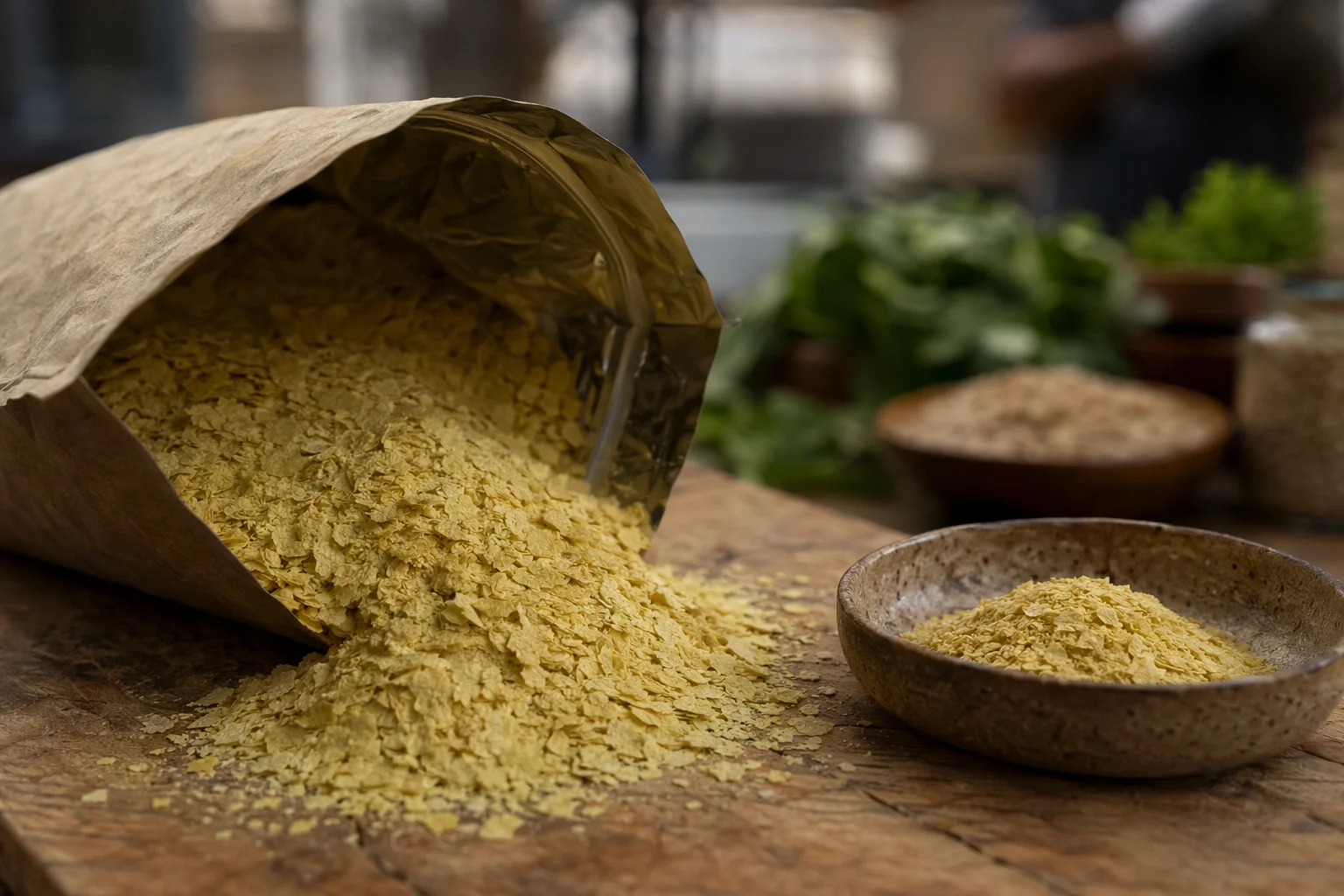
Inactive nutritional yeast flakes and powder fortified with B-vitamins and minerals for vegan, dietary-supplement, and clean-label foods.
Common questions about bouillon & soup
What does yeast extract do in bouillon and soup formulations?
Is powder or paste better for bouillon manufacturing?
How should we evaluate cost-in-use?
Can ArtemisYeast support clean-label or plant-based soup projects?
How do we request samples and wholesale pricing?
Discuss your bouillon & soup requirements
Tell us about your cell line, target scale, and regulatory context. We will recommend specific products, share documentation, and quote pricing.