Yeast Extract and Nutritional Yeast in Meat Analogues and Seitan: Texture, Off-Notes and Umami Stacking
A wheat-gluten burger that bites like rubber, tastes faintly of bread and has no savoury depth is bought once, and a meat-analogue line earns its margin on the second purchase. Each of those faults has a yeast-ingredient answer, and the texture one needs none of the specialised binders and extra process steps most gluten-meat methods rely on. This page is for the product developer or buyer at a seitan, burger, sausage, nugget or deli-slice line, starting from a 10 kg trial sack, and it covers meat analogues only.
What it is worth to the line
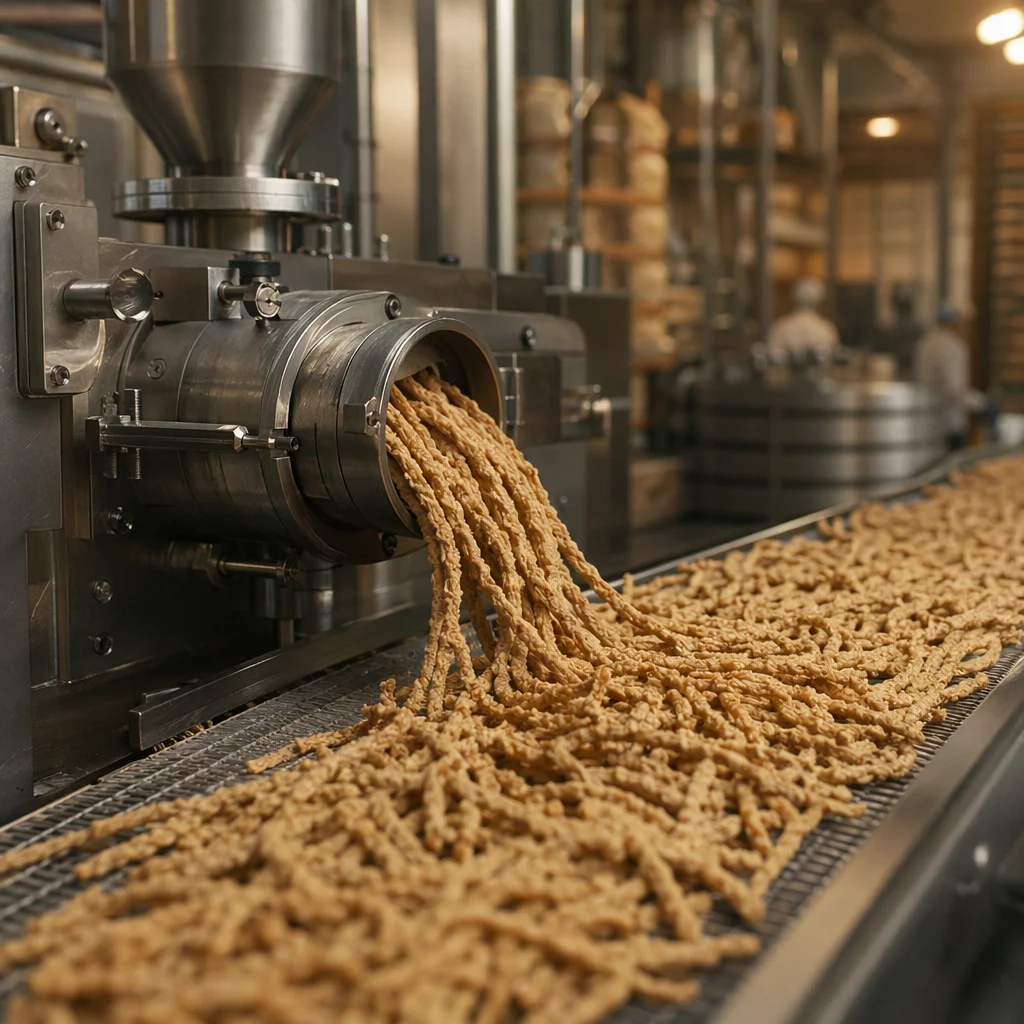
Acceptance is the first gain: a gluten dough relaxed with nutritional yeast was eaten willingly by people who normally refuse seitan, and it still ate well cold and without a sauce, which is the condition a deli slice or a chilled ready meal is sold in. Cost is the second: buyers come to gluten-based analogues because they are cheaper than the big branded products, so the flavour has to come from ingredients that work at a low inclusion, and the comparison that counts is cost in use, not price per kilogram. Makers say the same about the method itself, that a better seitan lowers their food cost further.
Seven faults on a meat-analogue line and what to specify
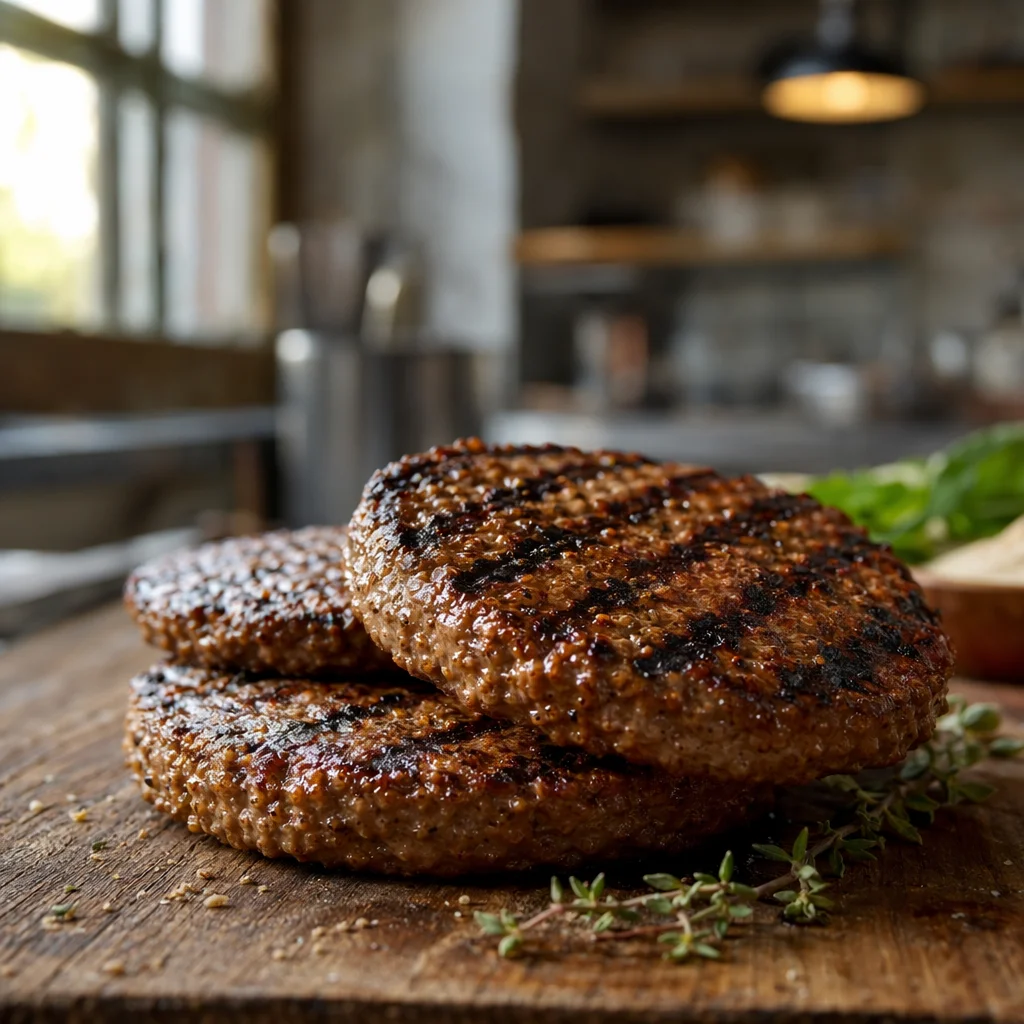
The faults fall into three groups: texture (the first two), flavour (the next four) and the recipe sheet (the last).
- Rubbery, dense bite. Nutritional yeast is a dough relaxer in vital wheat gluten: an unseasoned test batch made with 25% nutritional yeast, run purely for texture, came out with the bite of a chicken nugget. Two makers working separately settle on the same proportion, 3 parts gluten to 1 part nutritional yeast and 1 part chickpea flour by volume, the chickpea flour making the piece less dense and more chewy. The common mistake is to treat nutritional yeast as flavour only; makers who had used it for years for umami had not noticed what it does to the dough, so the powder belongs in the process specification as a texture variable, trialled at two inclusion levels before the flavour base is chosen.
- Spongy or uniform structure. A piece simmered loose in broth expands and turns spongy, while one wrapped tightly and steamed stays dense; and because real meat is not uniform, marbling together doughs made at different inclusions gets closer to it than one homogeneous mass.
- Flavour only on the surface. Cooking a plain dough in broth seasons the outside; makers get a far meatier result by putting the broth and seasoning into the gluten itself, in place of the plain hydration water, so the flavour is there from the start. For a line that means a soluble yeast extract dosed with the water phase, or into the brine for a deli slice. Dry seasonings follow a different rule: gluten turns stretchier when it is warm, so dry flavour goes in at the warm stage, and a little chickpea flour helps when the mass will not take it up, which is the reason to ask for a fine, free-flowing powder for that step.
- Meaty note flat. Glutamate is not the only umami compound: inosinates and guanylates work alongside it, and a product carrying all three families tastes fuller than one that leans on glutamate alone. The "vegetarian seasoning" printed on commercial meat-analogue labels turns out to be a mushroom seasoning, so competitors already stack their umami sources, and the people who buy these products mostly regard MSG as no worse than salt; a "no MSG" line is a positioning choice, not a flavour strategy. Specify the three umami families you want in the finished product and let the yeast extract carry the glutamate side.
- Bread-like base note. The off-note makers complain of in seitan burgers is bread, and one of them removes it completely with a small addition of balsamic vinegar to the batch; test an acid note beside the yeast extract before raising the extract dose to cover it.
- Metallic, salty aftertaste. Where a calcium salt is used to set an alginate binder, too much of it leaves a metallic, salty aftertaste, and a chemist who ran the method found the cross-linking needs only a fraction of the published amount. A salty yeast extract added on top of that binder pushes the same fault, so count the sodium of the extract and the calcium of the binder together and reduce whichever is over.
- Result does not scale from the bench. A published five-ingredient method left out the amount of wheat gluten, its base ingredient, and could not be followed until it was corrected; a line sheet that omits the dose of the yeast ingredient per kg of protein base, or the step at which it goes in, fails the same way.
Fortified or non-fortified
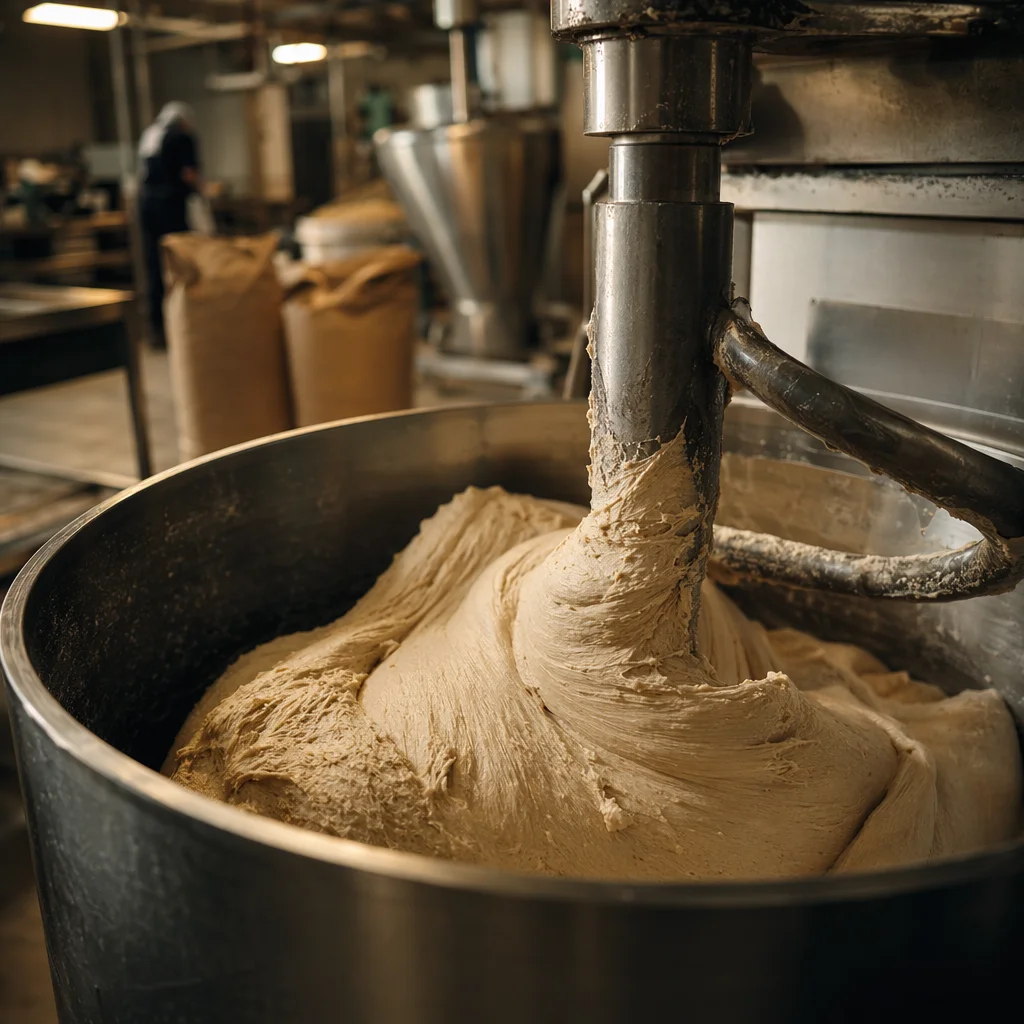
Your own customers will ask: buyers of nutritional yeast argue hard over fortified against non-fortified, many distrusting the added synthetic vitamins, and most packs do not say which they are. We take no side; tell us which form your label needs and we match the grade.
Catalogue ingredients compared
| Ingredient | Pack | Role in a meat analogue | What to specify |
|---|---|---|---|
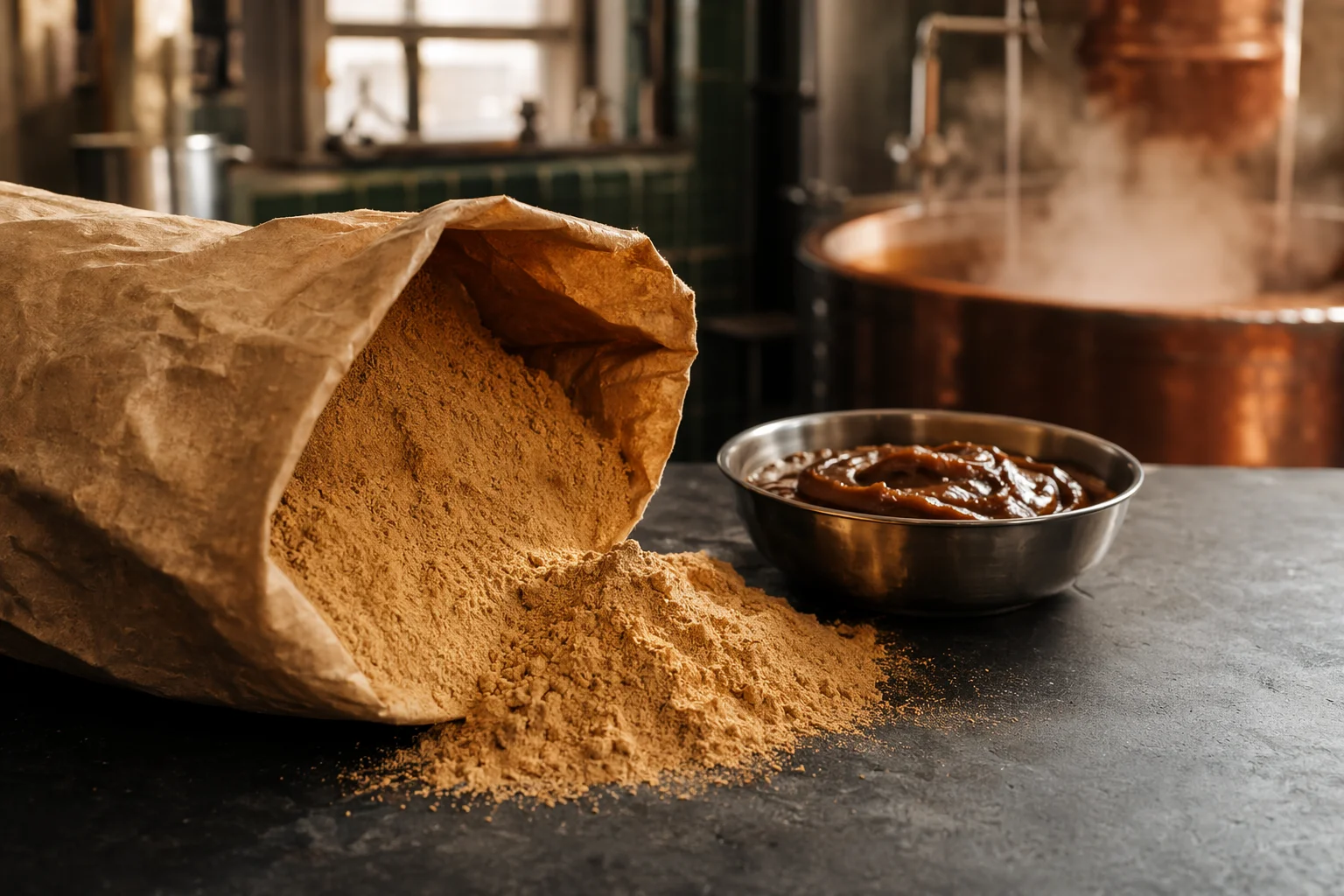
| Nutritional yeast powder for plant-based meat (ART-NY-058) | 10 kg foil-lined sack | Dough relaxer in gluten meats; vegetarian source of protein and B vitamins | Inclusion on protein base, fortified or not, particle size |
| Soluble yeast extract for plant-based meat (ART-NY-073) | 10 kg foil-lined sack | Savoury base that dissolves into hydration water, brines and marinades; natural protein and amino acids | Solubility, sodium, colour in the mass |
| Umami taste yeast extract (ART-YE-003) | 20 kg multi-wall sack | Glutamate side of the umami stack; the same grade serves sauces and snack seasonings | Dose at which bitterness shows |
| Nutritional yeast flakes (ART-NY-012) | 10 kg foil-lined sack | Visible flakes for coatings and crumbs; the wrong form for the mass itself | Flake size, fortified or not |
| Natural yeast protein (ART-NY-001) | 10 kg foil-lined sack | Protein contribution in patties and mince | Protein level, flavour at your inclusion |
Figures this page leaves to the email reply
A plant-scale inclusion per kg of protein base, the sodium per kg of each extract and the shelf life of an opened sack are not documented well enough to print, so we give them per grade, against your protein base, by email.
Next step
Email us a three-line brief and we reply with the ingredient to trial, a starting dose on your protein base and a sample plan. Line one: the product (burger, sausage, nugget, deli slice or seitan) and its protein base; line two: the texture fault or off-note you have now; line three: fortified or non-fortified.
Recommended Categories
For plant-based meat workflows, customers most often need media and reagents from these categories. Each ships free worldwide.
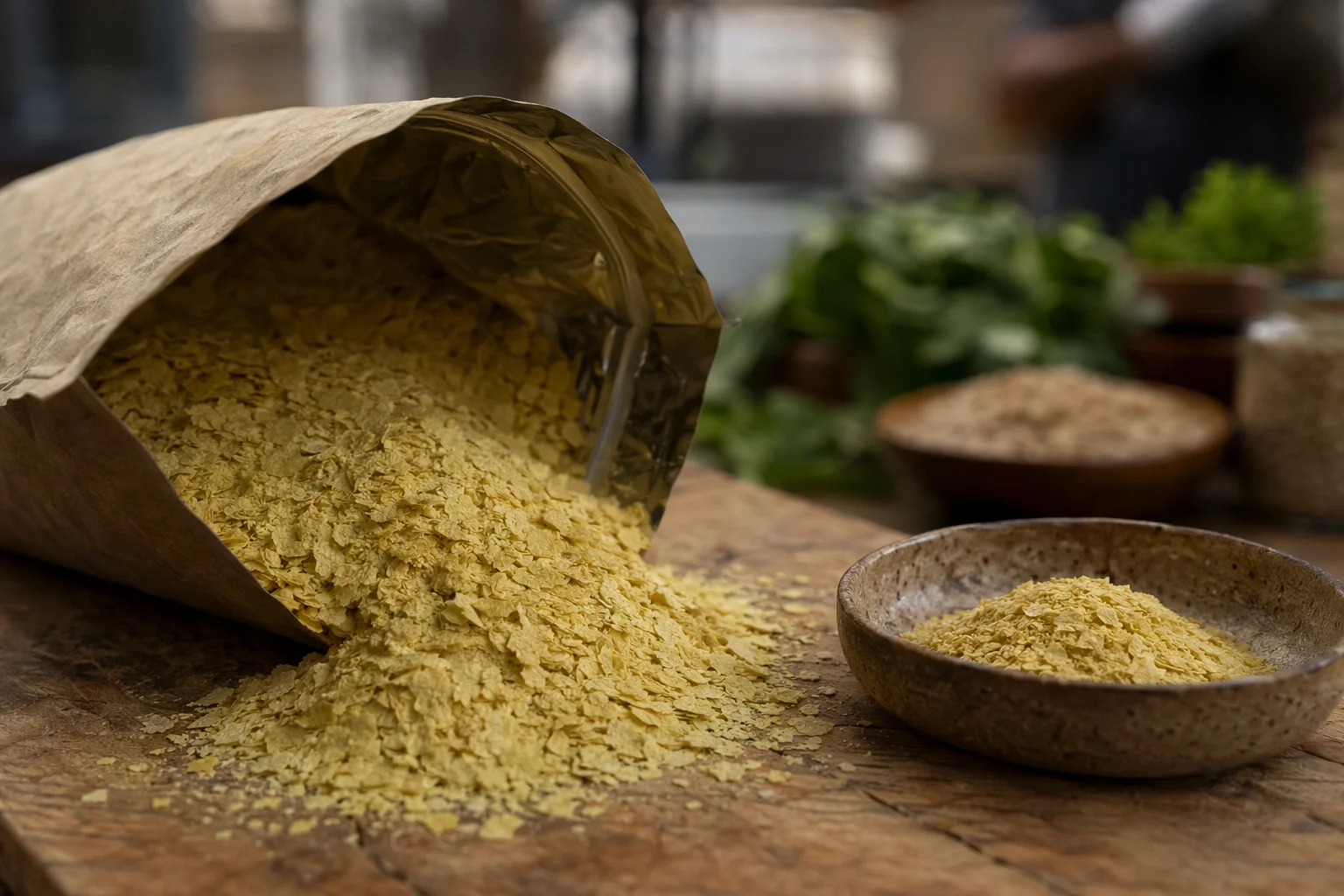 80 lines
Nutritional Yeast
Inactive nutritional yeast flakes and powder fortified with B-vitamins and minerals for vegan, dietary-supplement, and clean-label foods.
 24 lines
Yeast Extract & Savoury Ingredients
Pure yeast extracts, yeast-derived flavor enhancers, and clean-label umami solutions for bouillon, sauces, instant noodles, and snacks.
Common questions about plant-based meat
Which yeast ingredient is best for plant-based burgers?
Do you provide samples for R&D evaluation?
How is bulk pricing handled?
What information should I include in a request?
Discuss your plant-based meat requirements
Tell us about your cell line, target scale, and regulatory context. We will recommend specific products, share documentation, and quote pricing.