Yeast in Livestock Feed: Live, Cell-Wall, Hydrolysate and Brewer's Yeast, and What Each Is Bought For
Feed is the largest bill a livestock operation pays, and it leaks in two places: a rumen turned acid by a concentrate-heavy ration, and a pig herd that converts feed poorly. One swine programme names a feed conversion of 3.0:1 or worse as the problem to fix, and warns that farms watch weight gain and overlook conversion. In feedlots on 50-65% concentrate, rumen pH is reported to fall from 6.5-7.0 to below 5.0 under acidosis, and the cost named is laminitis (hoof inflammation) and a later market date. Since antibiotic limits arrived, large pig farms and feed mills are offered heat-stable probiotic concentrates as the replacement, and pellet temperature has become the buying criterion. This page is for the nutrition or purchasing lead at a feed mill, premix plant, integrator or pet-food maker, and for the dealer who supplies farms. Whether you are formulating complete feed, mineral premix, top-dress products, or farm-service blends, ArtemisYeast helps align ingredient specification, packaging, documentation, and export requirements before purchase.
The business case, in the numbers sellers report
Every figure here is reported by the seller of a programme from its own trial, and none is a promise for your herd. The swine programme reports feed conversion of 2.7-2.85:1 against the 3.0:1 baseline, with daily gain up 8.89% and the feed ratio down 7.79%. Its dose table lists yeast as a line of its own at 500-1000 g per tonne, beside Bacillus at 200-500 g per tonne. Against acidosis the same class of product is run continuously at 1 kg per 1000 kg feed as prevention, or at 100 g per head per day for 5-7 days as treatment, and the triggers named are concentrate above 50%, heat stress, a diet change and animal transition. Integrators are offered two formulations by stage, growth and finishing, in 25 kg bags, with intake reported to respond in 3-5 days and digestion in 7-10 days. On the farm the dose is spoken far more simply, as 500 g to roughly half a tonne of feed for 5-7 days. Yeast is therefore compared on dose per tonne, on survival through the pellet mill and on a trial claim in feed conversion or daily gain, so ask a yeast supplier for all three.
Four yeast products, four jobs
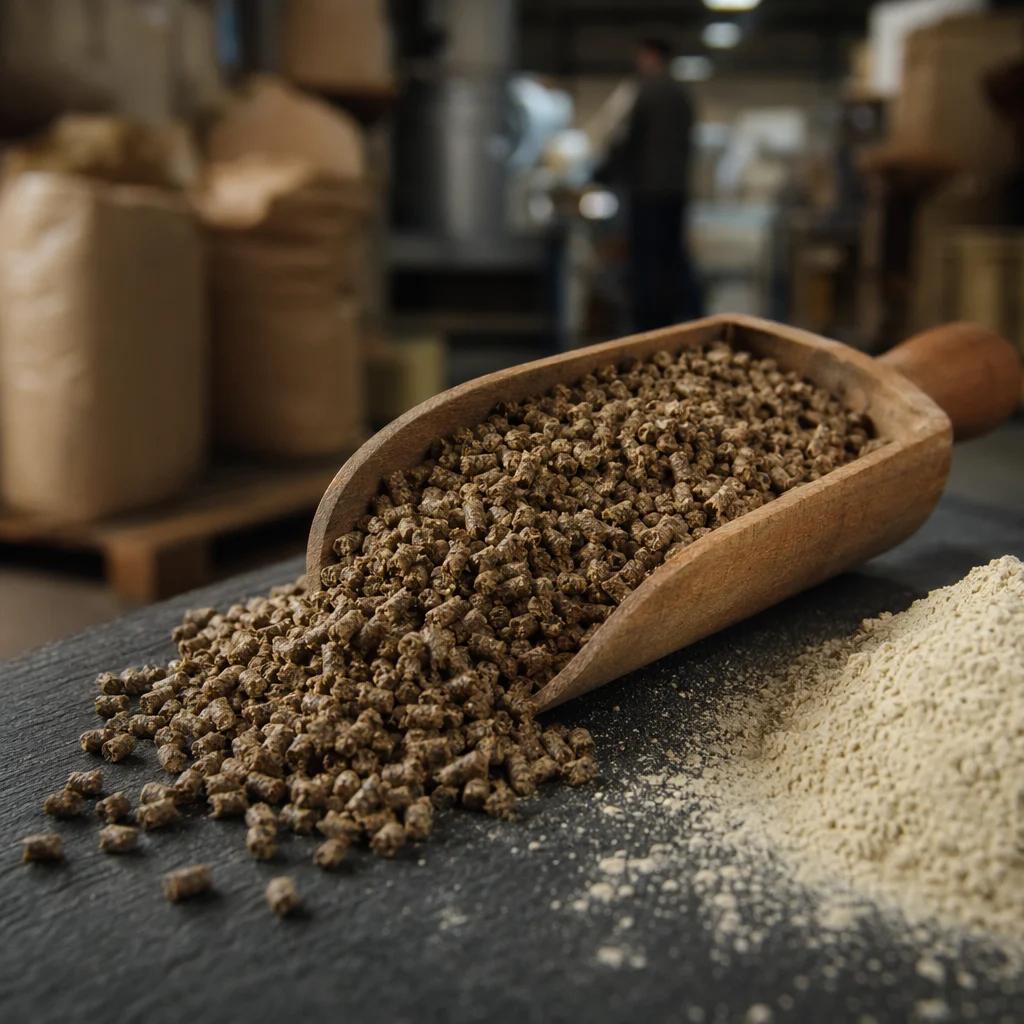
Live yeast is bought for the rumen: one producer positions a rumen-specific live strain on rumen pH kept above 5.8 and better fibre degradation, with more than 100 studies behind it, which shows that buyers pay for a named, documented strain. The dose period is part of the specification, because live yeast is fed in the daily ration 30 days before calving, when transition cows on high-concentrate diets risk metabolic disorders, lower milk and weaker fertility. Around calving the same product is pitched against subacute acidosis and a negative energy balance, as a way to get more energy out of the diet. Cell wall is sold on gut balance and immune response, which is wording to read as positioning and not as a trial result. Hydrolysed yeast stands or falls on how the cell was opened: "The tough outer cell wall must first be broken down", and the breaking process decides how available the contents are. Brewer's yeast and yeast culture are the plain nutritional grades, bought for palatability and intake in rations and pet food.
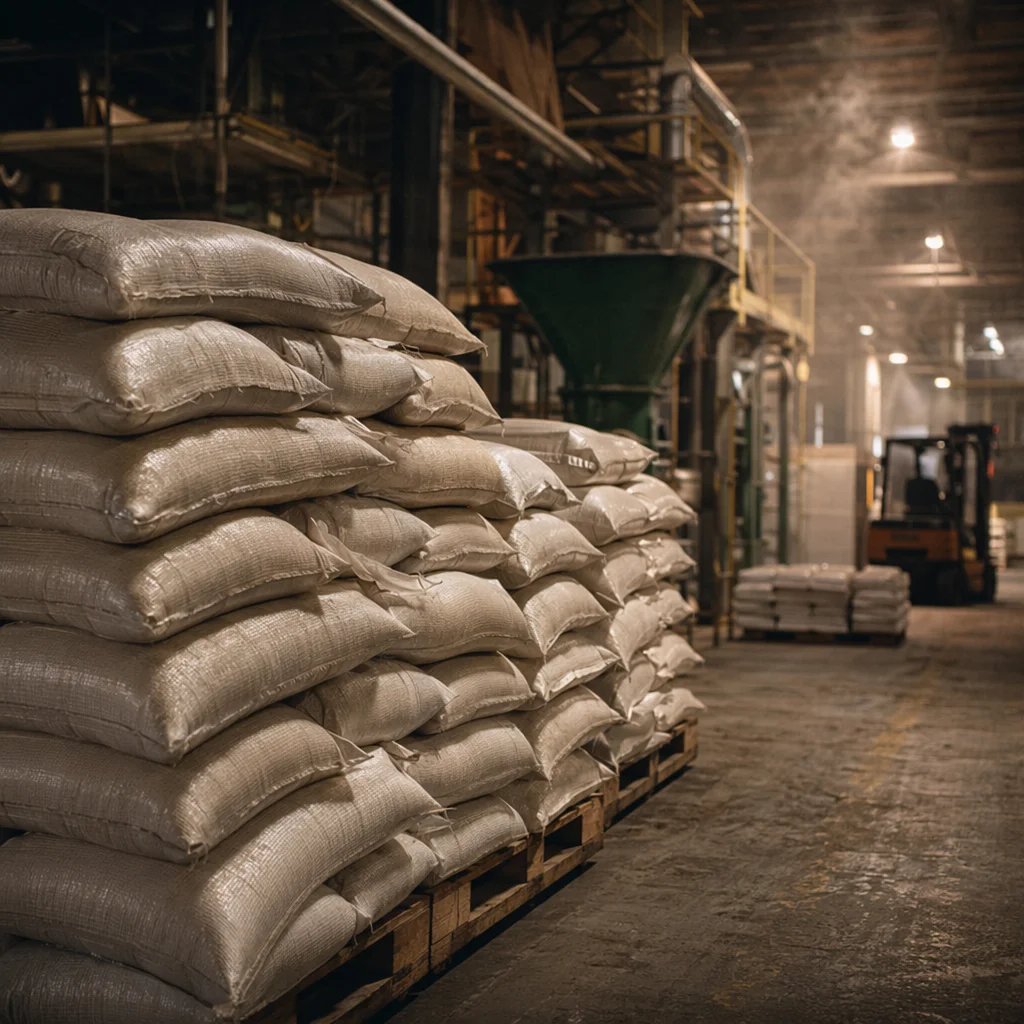
Every grade below ships in a 25 kg woven polypropylene feed sack, so the choice is the job, not the pack.
| Grade | What it is bought for | Where it goes | What to ask before a trial |
|---|---|---|---|
| Active dry yeast, ruminant R+ (ART-AN-004) | Rumen stability on concentrate-heavy dairy and beef rations | Mash, mineral premix or top-dress | Strain, live count, dose period |
| Active dry yeast, ruminant R (ART-AN-005) | The same job at a lighter specification | Mash or premix | How it differs from R+ in count and dose |
| Active dry feed yeast (ART-AN-006) | Live yeast line in swine and mixed-species premixes | Premix; pelleted feed only with survival data | Survival at your pellet temperature |
| Brewer's yeast (ART-AN-009) | Palatability and protein in rations and dealer packs | Any ration form | Protein and moisture, bitterness |
| Yeast culture (ART-AN-015) | Intake and rumen support without a live-count dependency | Any ration form, pellets included | What the culture was grown on |
| Hydrolysed yeast (ART-AN-014) | Digestibility and palatability in piglet and pet diets | Premix or coating | How the cell was opened |
| Pet food yeast (ART-AN-013) | Palatability in kibble and wet food | Dough or coating | Powder or hydrolysate, inclusion range |
| Yeast cell wall (ART-AN-001) | Gut-support positioning in antibiotic-reduced diets | Premix; heat is not the limit | Mannan and glucan content |
| Yeast cell wall T (ART-AN-019) | Cell wall chosen where toxin load is the worry | Premix | Target toxin list and test conditions |
| Mannan oligosaccharide (ART-AN-010) | The purified mannan fraction of the cell wall | Premix | Mannan content, carrier |
| Beta-glucan (ART-AN-011) | The purified glucan fraction of the cell wall | Premix | Glucan content, solubility |
| Mycotoxin binder (ART-AN-003) | Binder-class item for feed with a known toxin problem | Premix | Which toxins, at what pH, in which test |
Pellet heat and live count: the two questions that decide a yeast purchase
For pelleted swine feed the figure sellers quote is heat stability to 85 C, and the benchmark set by bacterial concentrates is 200-300 billion CFU/g. Put the same two questions to any yeast supplier: the live count per gram, and how much of it survives your pellet mill. Yeast is a living cell and heat kills it, so a live grade sent through a hot pellet line without survival data is a guess, while inactive products such as cell wall and hydrolysate do not carry that risk. Live count (CFU/g), survival after pelleting, inclusion per tonne by species, moisture, strain identity, sealed-sack storage life and binding-test data are not printed here; the email reply carries them per grade.
Why a specified premix beats farm-fermented feed
People who ferment pig feed at home for 18 hours are asked by their own viewers whether yeast was added, for how long and at what temperature, which shows that the home route has no specification. Yeast is rarely sold alone, because a single probiotic cannot break down all the fibre and a single enzyme has no lasting gut effect, and the claims made for such bundles are large, so ask for the trial design before you accept the claim. A premix has to beat that home route on consistency from batch to batch, which is why a mill buying Saccharomyces cerevisiae for gut health and intake alongside Bacillus strains asks the trader for own-label packing, export labels, several pack sizes and technical documents.
Five ways a yeast trial is misjudged
- Judged in 3 days. The observation window sellers ask for is 7-14 days, so run the trial for the whole window before reading feed conversion.
- Started after the damage. The additive is brought in only once hooves are already sore, when the programme is built on continuous prevention that starts with the ration change.
- Powder and hydrolysate bought as one item. In pet food, regular yeast powder goes in at 3-5% and the enzymatic hydrolysate at 1-5%, with digestibility reported at more than 85% against 70%, so the two are dosed and costed differently.
- Buffer confused with live yeast. Acidosis is driven by highly fermentable carbohydrate and a build-up of short-chain fatty acids, and buyers ask what actually buffers the rumen. Additives of this kind are tested in a rumen simulation model, so ask which trial type stands behind the claim.
- A binder bought without a toxin list. Mycotoxins are a feed-safety cost for farm animals, and a cell-wall binder is only as good as its match to the toxins in your raw materials, so name the toxins and ask for the test conditions; we make no efficacy claim here.
Dealers and small buyers
Smallholders who feed yeast to chickens and dairy cattle form a dealer segment that wants small packs and a contact who answers, so a dealer should say so in the brief and name the pack size the farmers buy.
Quality and documentation
Feed ingredient procurement depends on documentation as much as price. ArtemisYeast supports bulk livestock feed buyers with product specifications, certificate of analysis, safety data information where applicable, allergen and GMO-status statements when available, origin documentation, shelf-life guidance, and export paperwork matched to destination requirements. Documentation scope may vary by item and market, so buyers should confirm needs before shipment.
Typical specification points include moisture, crude protein, ash, particle size, microbiological limits, viable count for live yeast products, selenium level for selenium yeast, and compositional markers for yeast cell wall materials. Packaging integrity, lot traceability, and retention sample practices are also important when materials enter audited feed production systems. Buyers can review ArtemisYeast quality expectations through the quality and documentation page.
Regulatory requirements differ by country and by feed category. ArtemisYeast does not position feed yeast ingredients for medical or clinical use. Instead, materials are supplied for animal nutrition manufacturing and feed formulation, with labeling and documentation reviewed according to the customer’s intended market. Procurement teams should share destination country, animal species, inclusion rate, and label claims early so the correct product file can be prepared.
Why work with ArtemisYeast
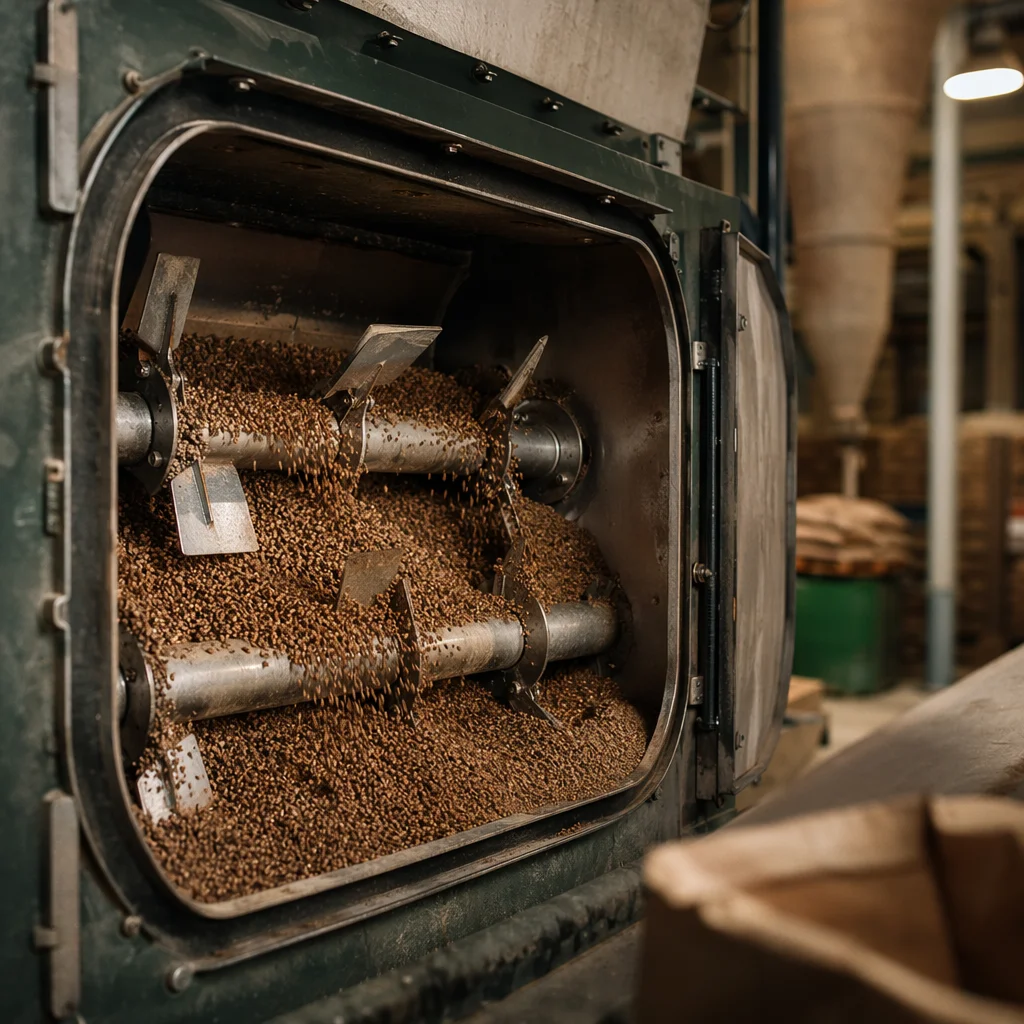
- Bulk feed focus: ArtemisYeast supplies commercial volumes for feed mills, premix manufacturers, distributors, and livestock nutrition brands rather than consumer retail packs.
- Application-led selection: the team helps match ruminant yeast culture, yeast cell wall, inactive yeast, or selenium yeast to the animal species, feed format, and manufacturing process.
- Procurement clarity: buyers receive specification discussions, MOQ guidance, lead-time planning, packaging options, and wholesale pricing on request.
- Export support: documentation can be coordinated for international shipments, subject to product type, destination rules, and customer-provided import requirements.
- Flexible sourcing: recurring supply, pallet orders, container loads, and customized specifications can be discussed before contract confirmation.
For current availability, documentation, and landed-cost planning, send your target product, volume, delivery market, and required specification through the request quote form. ArtemisYeast will respond with suitable livestock feed yeast options, bulk quote details, and the technical documents needed for internal review.
Next step
Email us a four-line premix brief and we reply with the grade to trial, an inclusion range and a sample plan, and we tell you which count and pellet-survival data exist for that grade. Line one: species and production stage; line two: ration form, mash or pellet; line three: pellet or conditioning temperature; line four: target dose per tonne and the product you use now.
Recommended Categories
For livestock feed (ruminants & swine) workflows, customers most often need media and reagents from these categories. Each ships free worldwide.
 92 lines
Animal Nutrition Yeast
Inactive yeast, yeast cell wall, mannan-oligosaccharides, and yeast culture for poultry, swine, ruminant, and aquaculture feed.
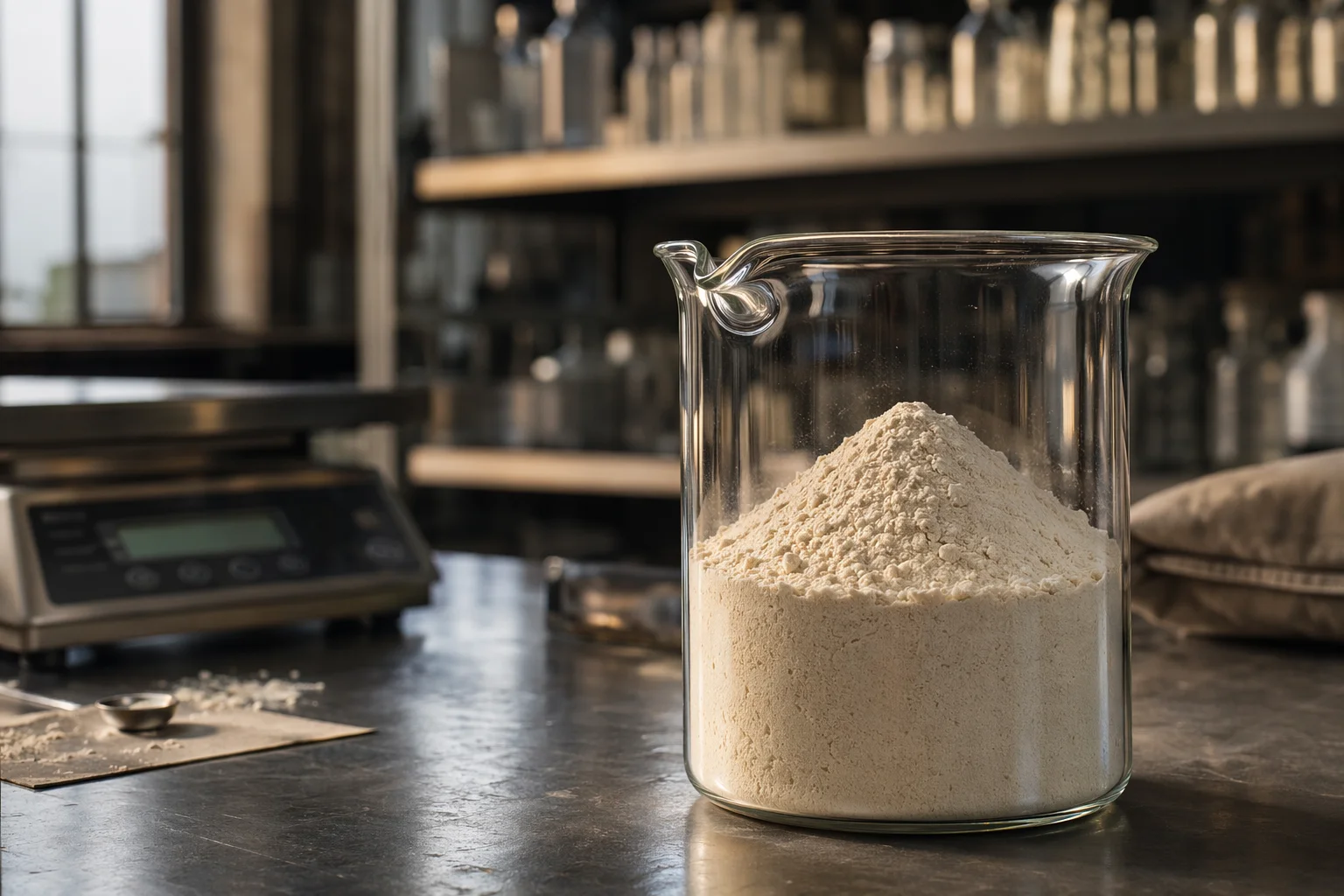 24 lines
Probiotic & Functional Yeast
Saccharomyces boulardii, beta-glucan, yeast nucleotides, and yeast-derived bioactive ingredients for human and animal health.
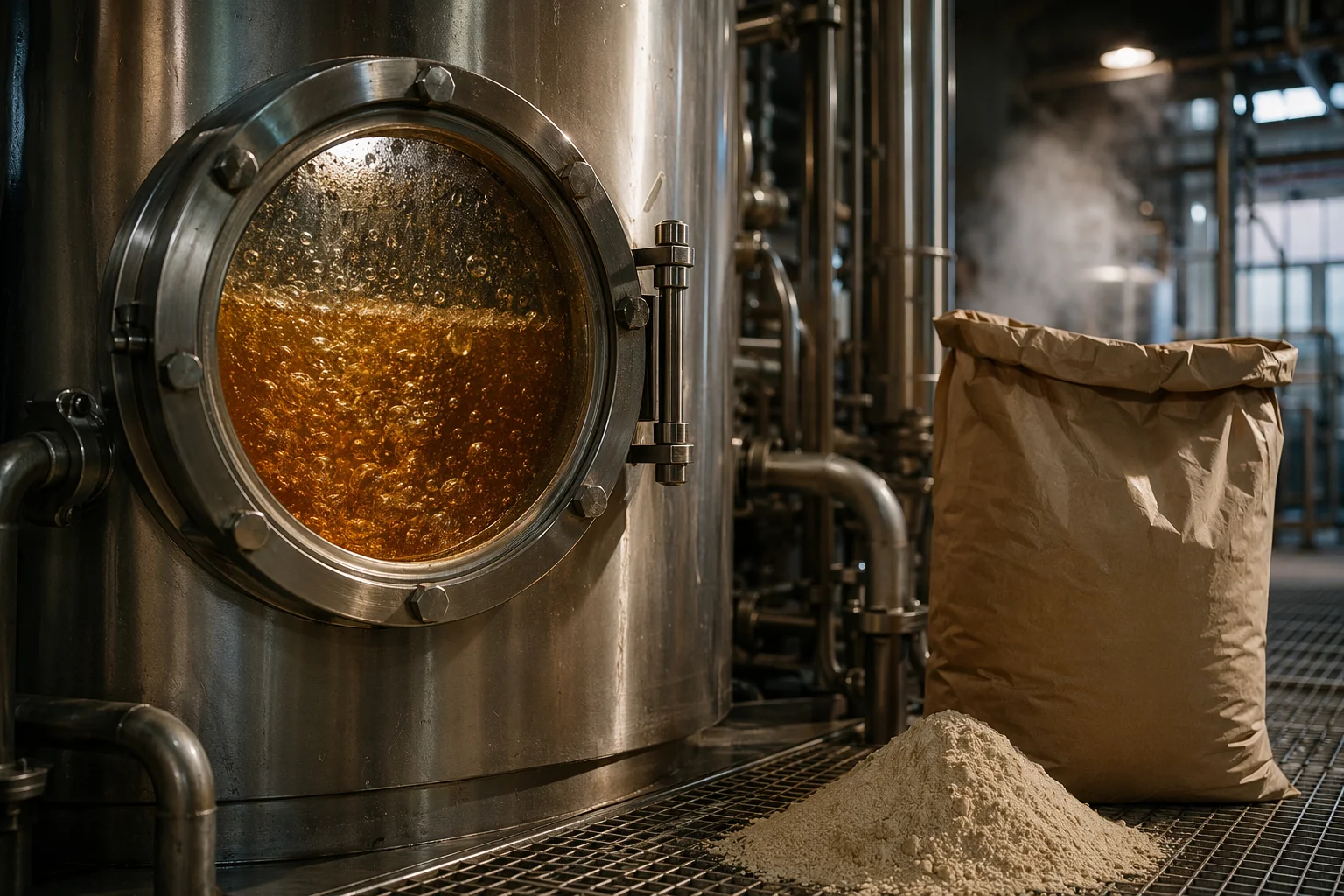 52 lines
Enzymes & Fermentation Inputs
Bakery enzymes, brewing enzymes, distillation amylases, and yeast-derived fermentation aids for industrial processing lines.
Common questions about livestock feed (ruminants & swine)
What is the difference between live yeast and yeast culture for ruminants?
Can ruminant yeast culture be used in pelleted feed?
What yeast products are most common for swine feed?
Do you provide certificates of analysis for bulk feed yeast?
How do I get wholesale pricing for livestock feed yeast?
Discuss your livestock feed (ruminants & swine) requirements
Tell us about your cell line, target scale, and regulatory context. We will recommend specific products, share documentation, and quote pricing.