Biopharma Cell Culture Nutrient
Yeast-derived biopharma cell culture nutrient is a controlled microbial nutrition input used to supply peptides, amino nitrogen, vitamins, minerals, and growth-supporting yeast fractions in upstream fermentation and cell culture processes. ART-MN-016 is supplied for R&D scale-up, pilot production, and industrial procurement programs requiring consistent lot documentation and export-ready packing. It is available in 20 kg multi-wall sacks, with wholesale pricing on request through the ArtemisYeast bulk inquiry channel.
- ✓ Free worldwide shipping
- ✓ ISO-aligned manufacturing
- ✓ Certificate of Analysis on request
- ✓ Bulk & custom volumes quoted on request
Overview
ART-MN-016 is a yeast-derived nutrient matrix for biopharma upstream applications where defined supplementation, batch traceability, and reliable solubility are procurement priorities. The material is designed for use as a microbial nutrition input in fermentation and cell culture workflows, including process development, seed train optimization, and production-scale media supplementation. Typical composition targets may include protein 40-55%, total nitrogen 6-9%, amino nitrogen 3-6%, moisture not more than 6%, ash 8-15%, and pH 5.0-7.0 in solution, with final values confirmed on the certificate of analysis for each lot.
The product profile supports nutrient-demanding organisms and cell culture processes by contributing peptides, free amino acids, B-group vitamins, nucleotides, minerals, and yeast cell fractions. It is not positioned as a finished culture medium; it is an input for qualified formulation teams that need a scalable yeast-based component for upstream development. For related nutrient inputs, see microbial nutrition and fermentation products. Particle size is typically controlled for rapid dispersion, with common specifications such as 80 mesh pass rate not less than 90% or as agreed during quotation.
Applications
- Biopharma upstream fermentation: nitrogen, peptide, and micronutrient source for bacteria, yeast, fungal, and other industrial production organisms used in controlled fermentation systems.
- Cell culture media development: yeast-derived supplement for R&D teams evaluating non-serum nutrient strategies, productivity response, and media robustness during scale-up.
- Seed train and inoculum build-up: nutrient addition for early growth phases where fast hydration, low insoluble residue, and consistent amino nitrogen are required.
- Industrial biotechnology: input for production of fermentation-derived proteins, metabolites, enzymes, and specialty ingredients, subject to customer process qualification.
- Process troubleshooting: formulation variable for improving growth kinetics, substrate utilization, or batch consistency during internal DOE programs without changing the complete basal medium.
- Procurement consolidation: suitable for buyers seeking export-packed 20 kg sacks, lot-specific documentation, and supply coordination from one yeast-specialist partner.
Storage and Handling
Store ART-MN-016 in the original sealed 20 kg multi-wall sack in a cool, dry, odor-free warehouse, ideally below 25°C and below 65% relative humidity. Protect from direct sunlight, condensation, strong odors, and open chemical storage. When handled under recommended conditions, typical shelf life is 18-24 months from manufacture, subject to the lot-specific specification and local storage environment.
After opening, reseal the sack or transfer contents to a clean, dry, labeled container with moisture protection. Use first-in, first-out inventory control and avoid repeated exposure to humid production areas. For liquid preparation, add gradually under agitation to validated process water or buffer and confirm pH, clarity, filtration compatibility, and heat-treatment suitability in the customer’s own process. Bulk quote on request is available for recurring shipment schedules and palletized export supply.
Quality and Documentation
ART-MN-016 is supplied with lot traceability and quality documentation appropriate for industrial fermentation and biopharma upstream procurement. Standard release checks may include appearance, odor, moisture, protein or nitrogen, amino nitrogen, ash, pH, mesh profile, microbiological limits, and heavy metals as specified for the order. Certificate of analysis, specification sheet, allergen statement, non-animal-origin statement where applicable, food-grade or feed-grade declarations where relevant, and safety data information can be requested before purchase.
Manufacturing and supplier documentation may include HACCP-aligned controls and ISO 22000, FSSC 22000, Halal, or Kosher documentation where available for the selected origin and grade; ArtemisYeast confirms document availability during quotation rather than making unsupported blanket claims. Customers should qualify the material against their internal media formulation, sterilization, filtration, and regulatory requirements. Visit quality and documentation to review the type of records that can be coordinated for bulk yeast-derived ingredients.
About this product
What is the typical shelf life?
Do you offer documentation (CoA, food-grade declaration)?
What is the minimum order quantity?
Is bulk pricing available?
How is this product shipped internationally?
More from Microbial Nutrition & Fermentation
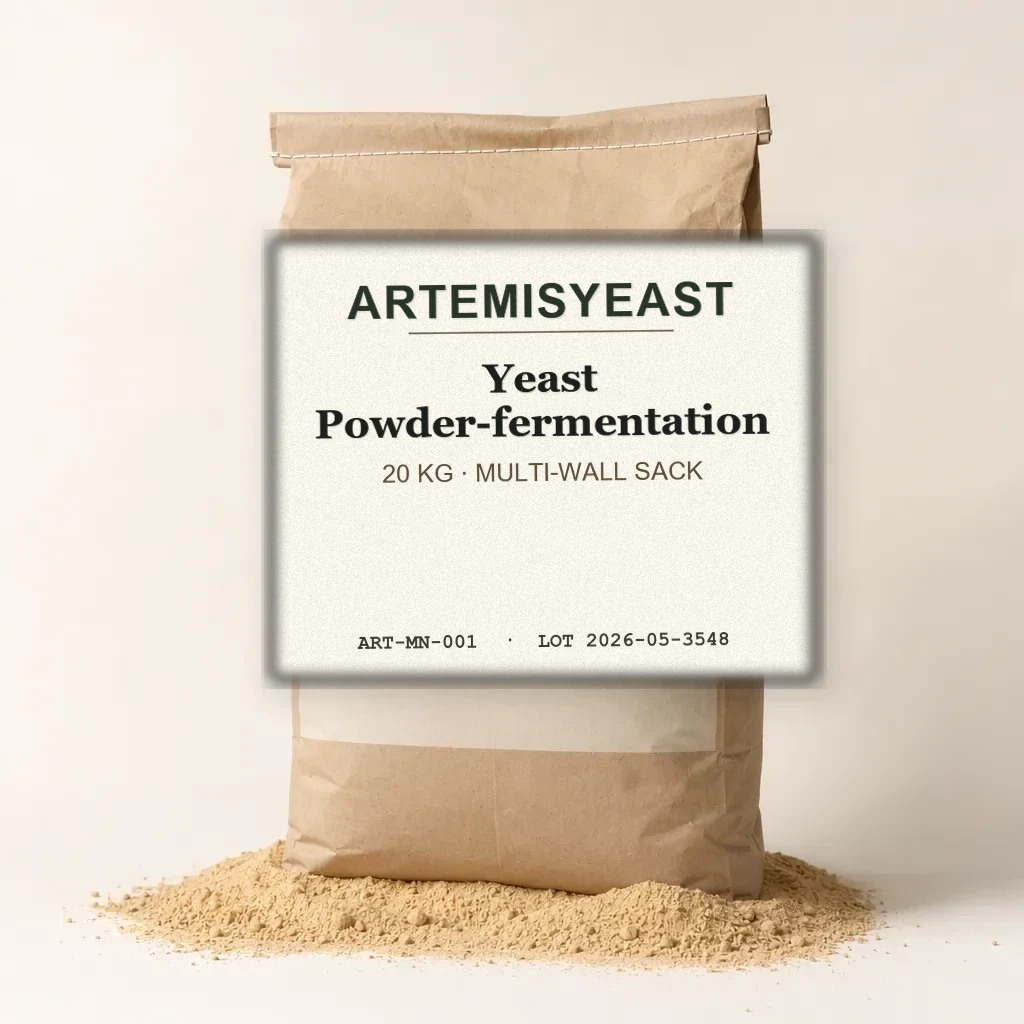
Yeast Powder for Industrial Fermentation Nutrition
Microbial nutrition input — yeast powder-fermentation for industrial fermentation, cell culture, and biopharma upstream.
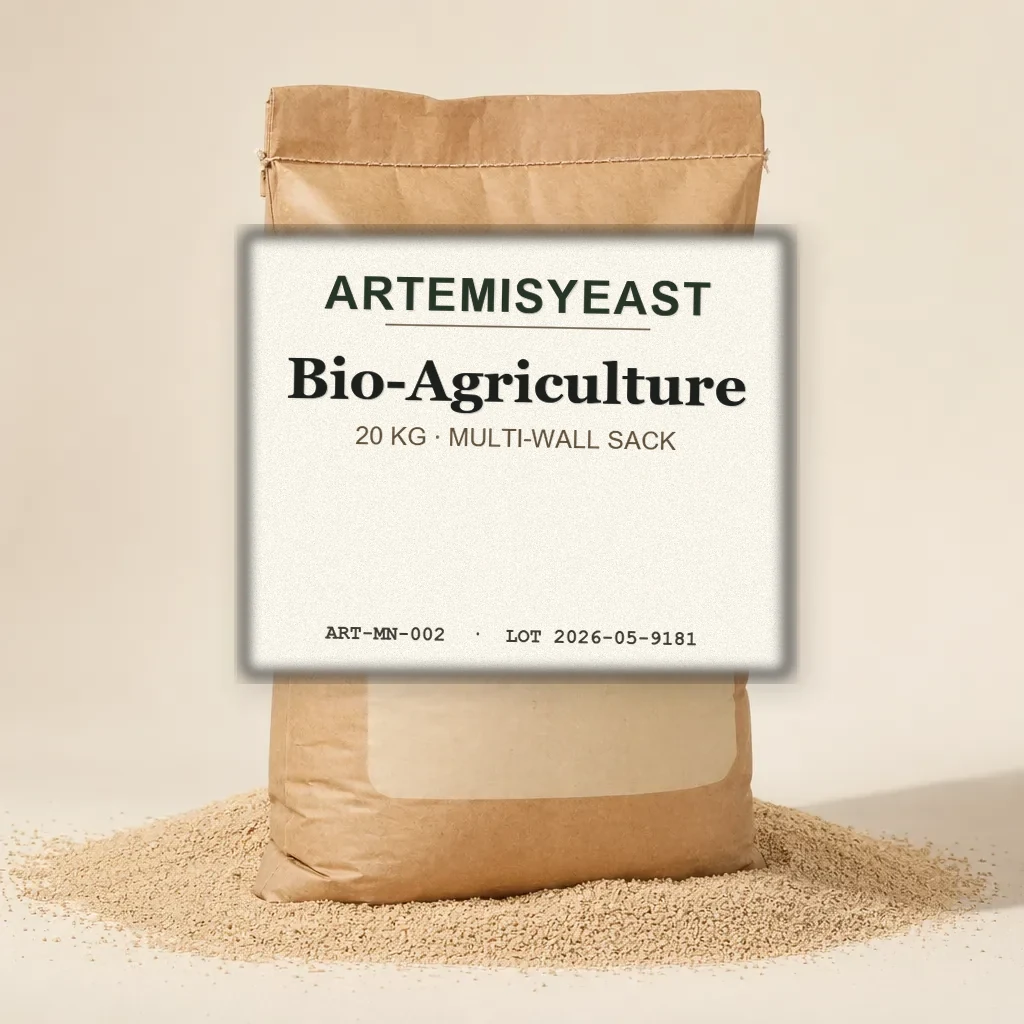
Bio-Agriculture Microbial Nutrition Input, 20 kg Sack
Microbial nutrition input — bio-agriculture for industrial fermentation, cell culture, and biopharma upstream.
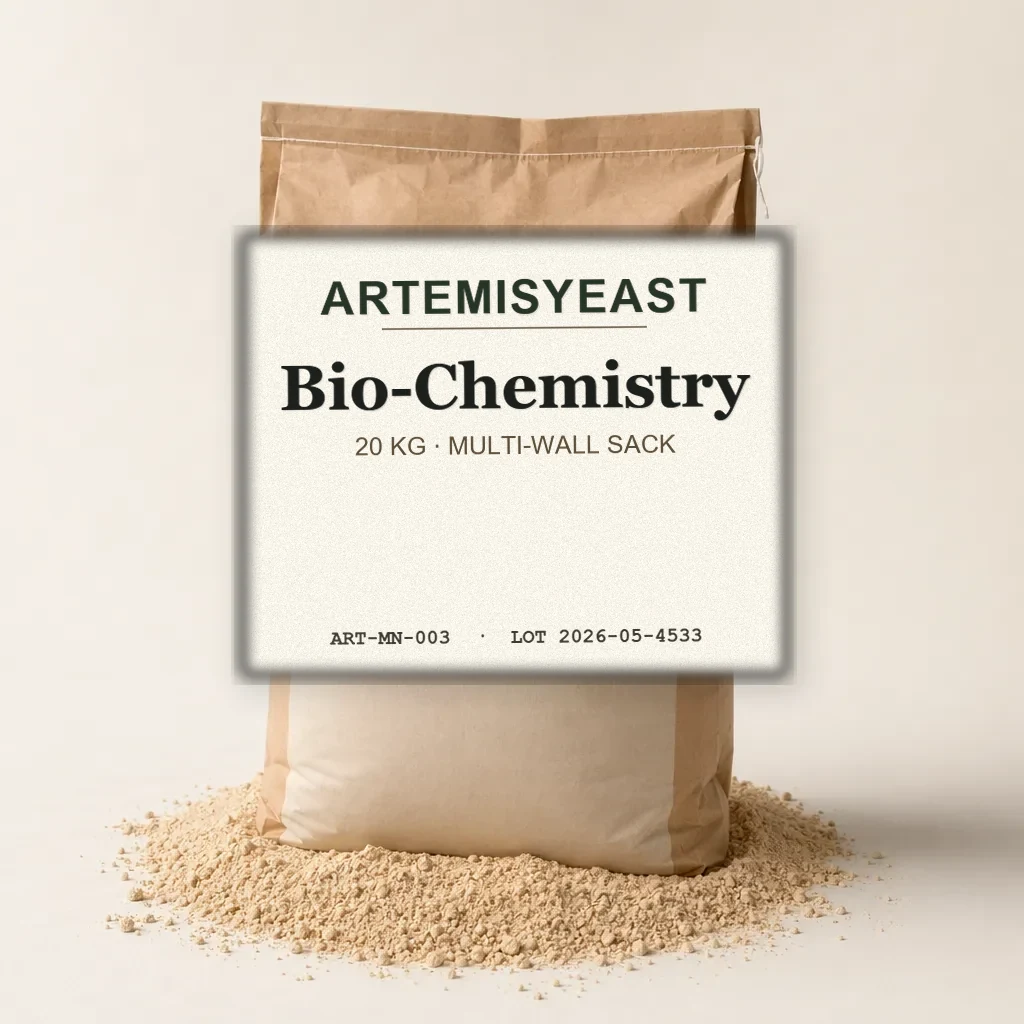
Bio-Chemistry Fermentation Nutrient Blend ART-MN-003
Microbial nutrition input — bio-chemistry for industrial fermentation, cell culture, and biopharma upstream.
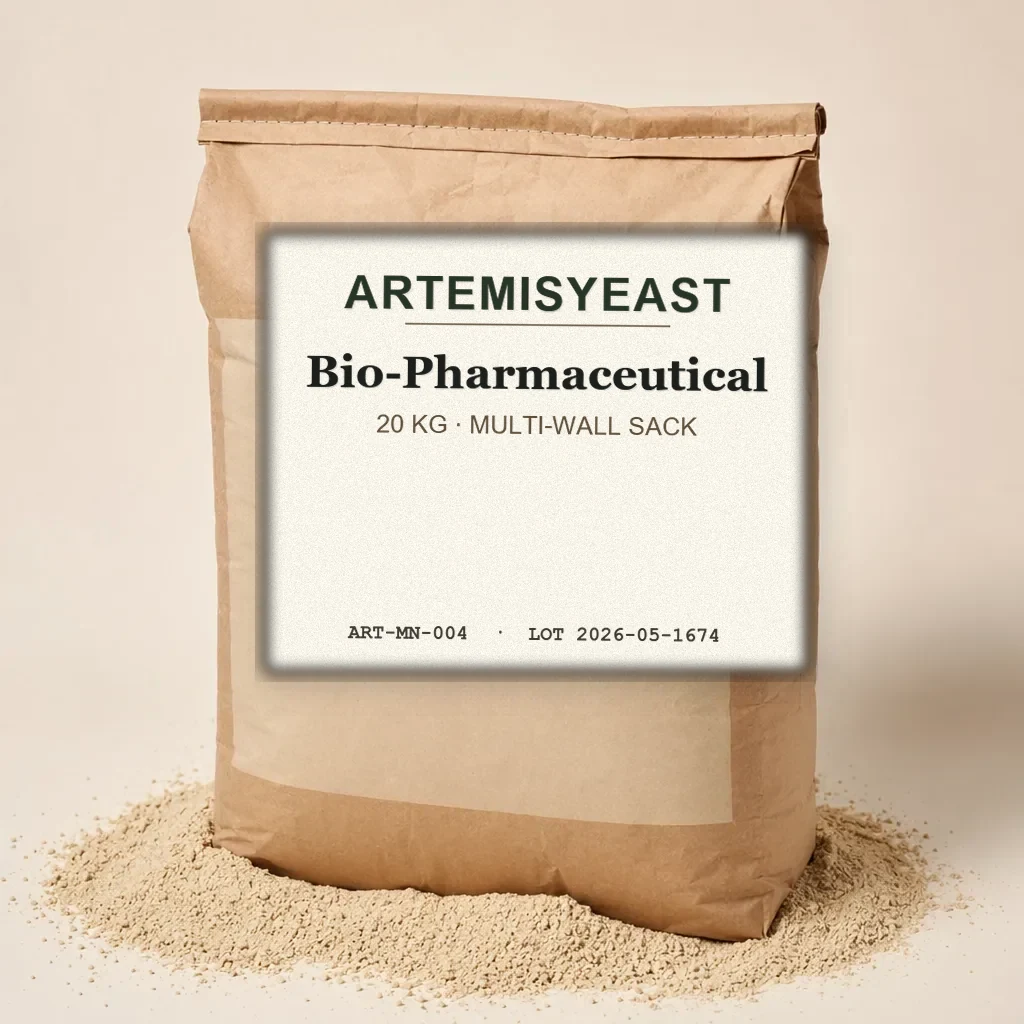
Bio-Pharmaceutical Microbial Nutrition Input, 20 kg
Microbial nutrition input — bio-pharmaceutical for industrial fermentation, cell culture, and biopharma upstream.
Request a Custom Quote
We have received your message. We will reply by email.