Bio-Chemistry for Microbial Fermentation
Bio-Chemistry for Microbial Fermentation is a dry microbial nutrition matrix designed to support industrial fermentation media with yeast-derived nitrogen, peptides, amino acids, vitamins, and trace minerals. ArtemisYeast supplies ART-MN-013 in 20 kg multi-wall sacks for pilot, scale-up, and production environments where batch consistency and documentation control matter. This item is inquiry-only, with wholesale pricing on request and specification alignment available for qualified bulk buyers.
- ✓ Free worldwide shipping
- ✓ ISO-aligned manufacturing
- ✓ Certificate of Analysis on request
- ✓ Bulk & custom volumes quoted on request
Overview
ART-MN-013 is a bio-chemistry input for microbial fermentation, cell culture support workflows, and upstream bioprocess media where organisms require balanced organic nitrogen and growth-associated micronutrients. It is typically specified as a free-flowing tan to brown powder derived from controlled yeast processing and complementary nutrient standardization. The material is non-viable and is not specified by CFU/g; instead, procurement and R&D teams evaluate it by moisture, soluble solids contribution, total nitrogen, amino nitrogen, ash, pH, particle size, microbiological limits, and lot-to-lot performance in the target strain and substrate system.
Typical specification targets can include moisture not more than 6.0%, crude protein on dry basis about 55-70%, amino nitrogen about 4-8%, ash about 8-15%, pH 5.0-7.0 in a 2% solution, and minimum 95% through 80 mesh, subject to the final agreed specification. The matrix may be used as a yeast-extract-forward nutrient base or as part of a larger media formulation with sugars, salts, buffers, antifoam programs, and trace elements. Buyers comparing inputs in the microbial nutrition fermentation category should request the current specification sheet and evaluate the product in their own fermentation model before plant adoption.
Applications
- Industrial microbial fermentation: organic nitrogen and micronutrient source for bacterial, yeast, and fungal processes used in food ingredients, fermentation-derived chemicals, enzymes, organic acids, and biomass production.
- Upstream bioprocess media development: candidate media component for R&D teams optimizing carbon-to-nitrogen balance, growth kinetics, metabolite yield, and reproducibility from shake flask through fed-batch or continuous systems.
- Scale-up support: dry, sack-packed input for plants that need practical dosing, low moisture, consistent dispersion, and controlled documentation for master batch records and supplier qualification files.
- Food manufacturing fermentation: nutrient support for starter culture propagation, savory fermentation, yeast propagation, and ingredient processes where food-grade documentation is required by the purchasing specification.
- Custom media blending: suitable for evaluation in dry premixes with mineral salts, carbohydrate carriers, pH buffers, vitamins, or other yeast-derived fractions when a buyer requires a tailored nutrient profile under an agreed specification.
Because each organism responds differently to peptide length, free amino nitrogen, minerals, and heat history, ArtemisYeast recommends bench screening with the buyer’s strain, substrate, sterilization method, and aeration profile. For commercial sourcing, technical teams can request a bulk quote with the target annual volume, destination port, required documents, and any internal limits for allergens, genetically modified inputs, heavy metals, microbiology, or residual solvents.
Storage and Handling
ART-MN-013 is supplied in 20 kg multi-wall sacks intended for dry ingredient handling in warehouses, media preparation rooms, and fermentation plants. Store unopened sacks in a clean, cool, dry, odor-free area, ideally below 25°C and below 65% relative humidity. Keep away from direct sunlight, standing water, strong oxidizers, volatile chemicals, and materials with strong odors. Under recommended storage conditions, typical shelf life is 18-24 months from manufacture, subject to the confirmed lot CoA and packaging configuration.
Use first-in, first-out stock rotation and reseal opened bags promptly to limit moisture pickup and caking. Operators should avoid dust generation during charging and should follow the site’s powder handling practices, including local exhaust ventilation where needed, protective eyewear, gloves, and approved respiratory protection if dust exposure may occur. The powder is commonly dispersed into process water or media tanks under agitation before sterilization or separate heat treatment, depending on the validated process. Autoclave or heat-treatment impact should be verified, as heat can change color, Maillard reaction profile, and nutrient availability.
Quality and Documentation
ArtemisYeast supports procurement qualification with specification-grade documentation for ART-MN-013. A typical document set may include certificate of analysis, product specification, safety data sheet, food-grade declaration when applicable, allergen statement, non-GMO statement where available, country-of-origin details, and packaging information. Lot testing can cover appearance, moisture, protein or nitrogen, ash, pH, particle size, total plate count, yeast and mold, coliforms, and absence of selected pathogens according to the agreed standard.
Manufacturing is managed under food and fermentation ingredient controls, with HACCP-aligned programs and site documentation available on request. ISO 22000, FSSC 22000, Halal, Kosher, and related food-safety documentation may be supplied when applicable to the producing site and shipment lot; buyers should state mandatory certificates before order confirmation. ArtemisYeast does not publish public prices for this product. Wholesale pricing on request is provided after review of destination, order quantity, documentation requirements, incoterms, and any customer-specific specification limits. Review the ArtemisYeast quality and documentation process for supplier approval planning.
About this product
What is the typical shelf life?
Do you offer documentation (CoA, food-grade declaration)?
What is the minimum order quantity?
Is bulk pricing available?
How is this product shipped internationally?
More from Microbial Nutrition & Fermentation
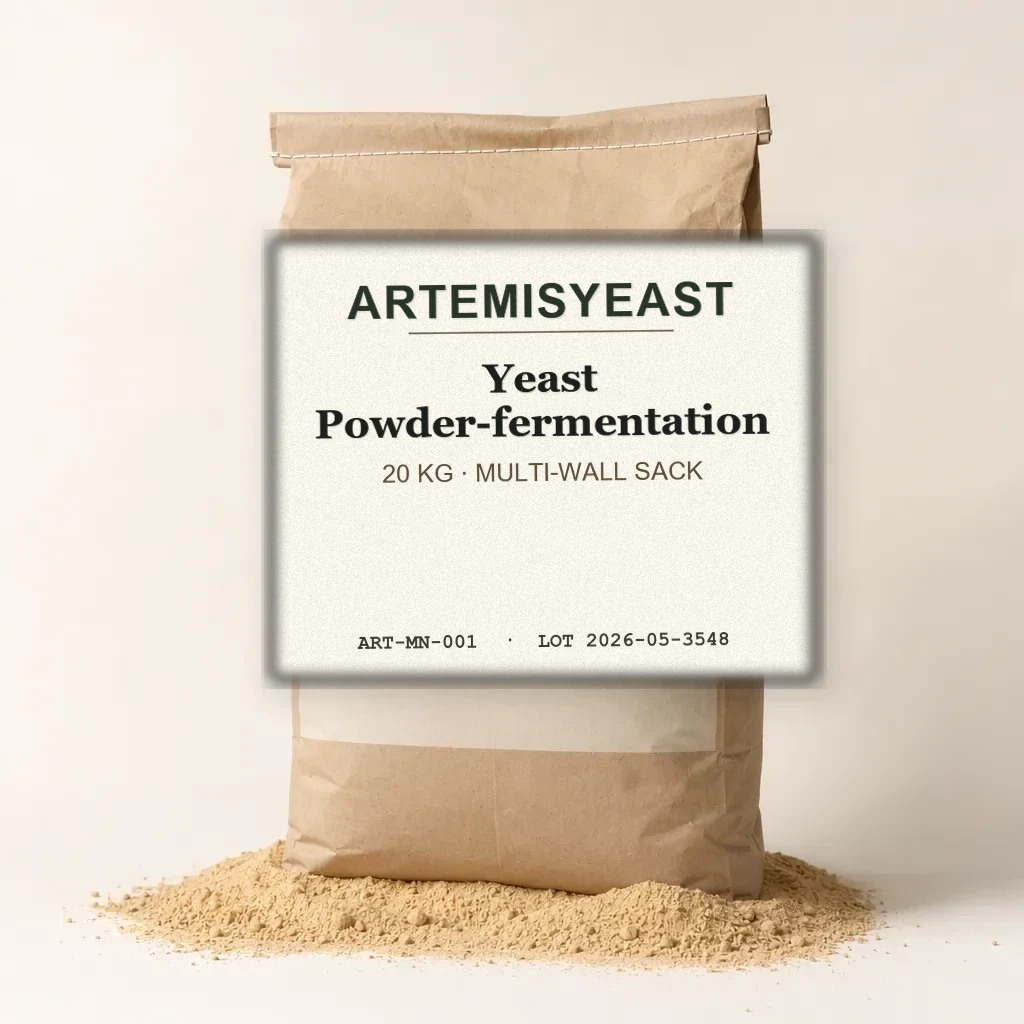
Yeast Powder for Industrial Fermentation Nutrition
Microbial nutrition input — yeast powder-fermentation for industrial fermentation, cell culture, and biopharma upstream.
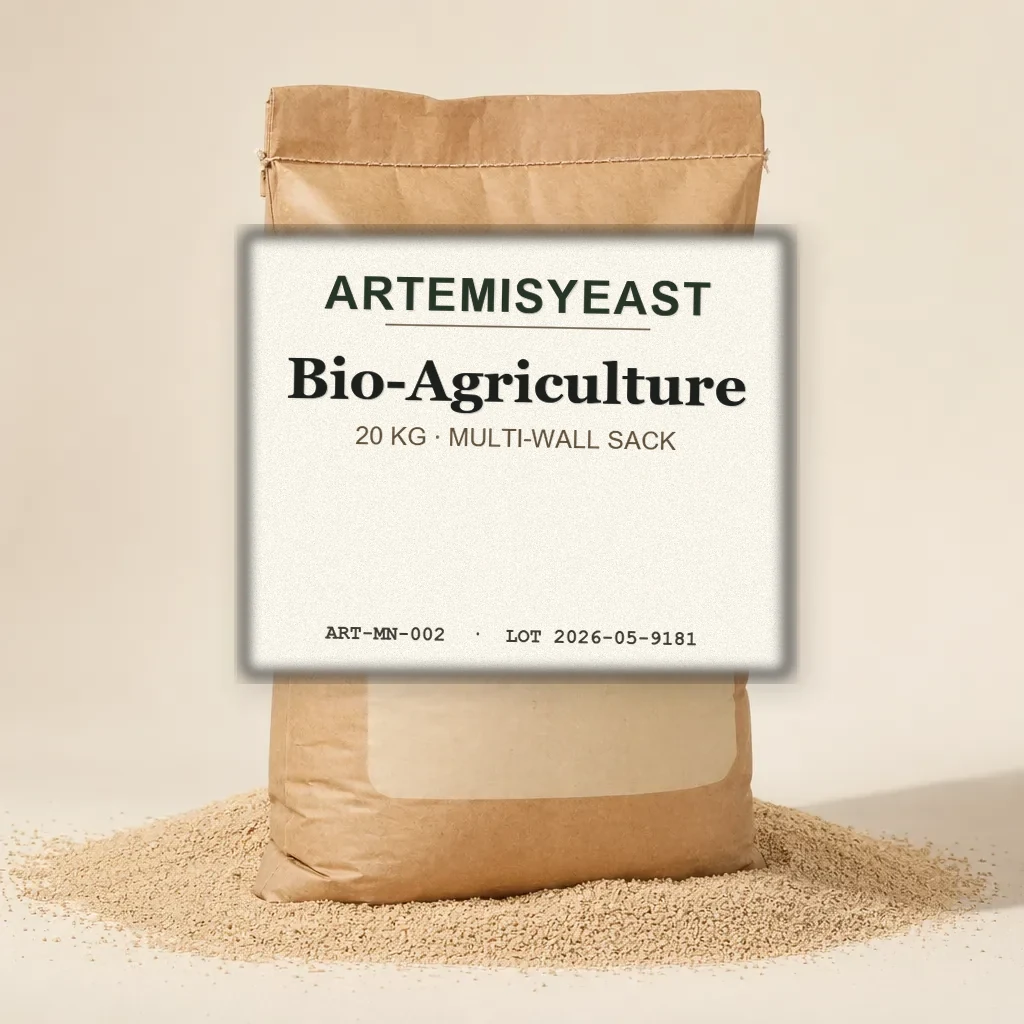
Bio-Agriculture Microbial Nutrition Input, 20 kg Sack
Microbial nutrition input — bio-agriculture for industrial fermentation, cell culture, and biopharma upstream.
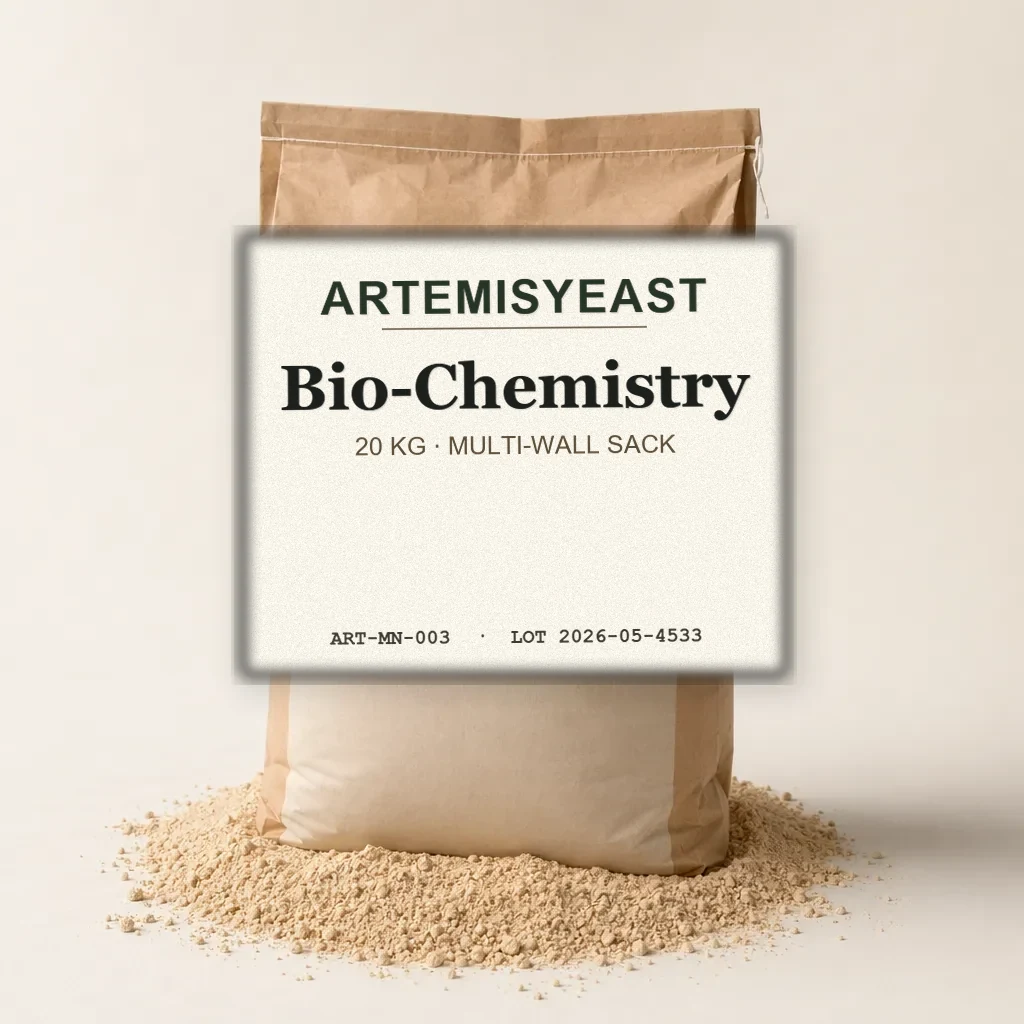
Bio-Chemistry Fermentation Nutrient Blend ART-MN-003
Microbial nutrition input — bio-chemistry for industrial fermentation, cell culture, and biopharma upstream.
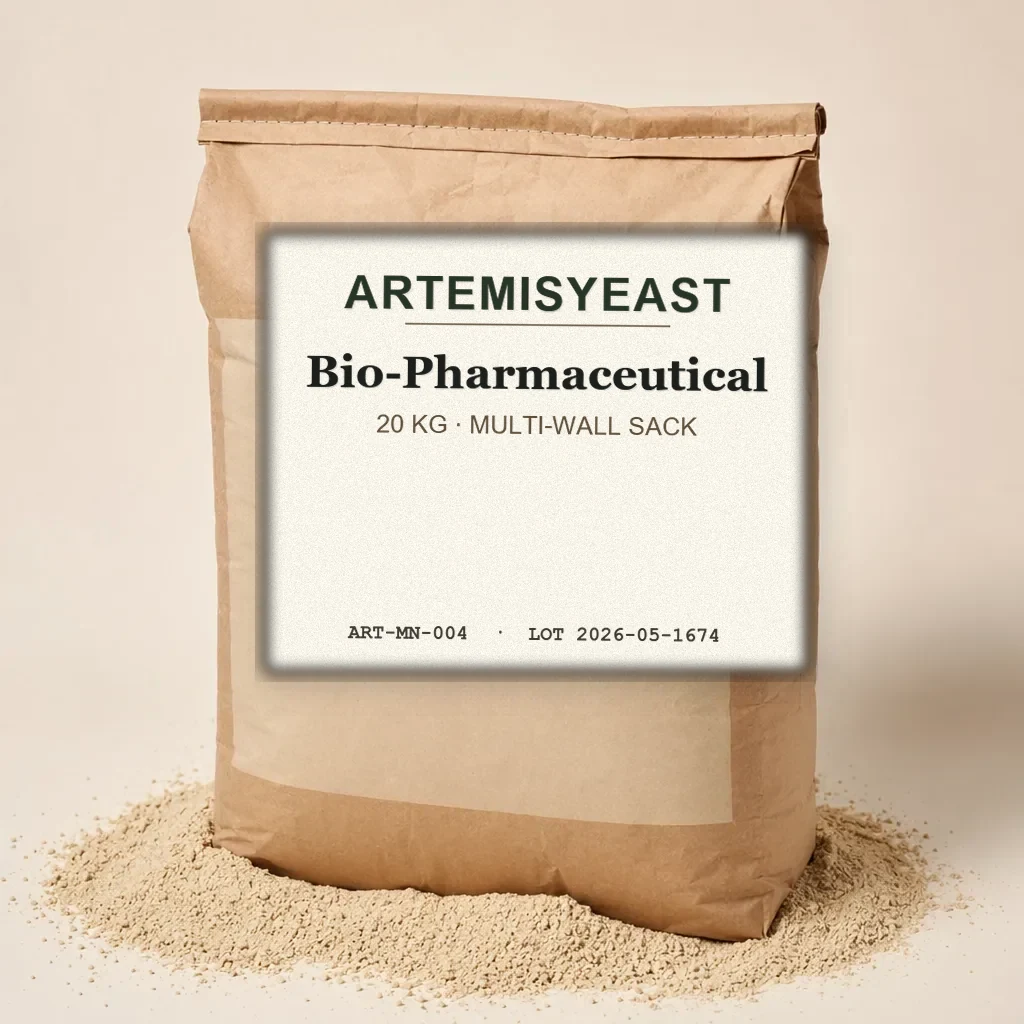
Bio-Pharmaceutical Microbial Nutrition Input, 20 kg
Microbial nutrition input — bio-pharmaceutical for industrial fermentation, cell culture, and biopharma upstream.
Request a Custom Quote
We have received your message. We will reply by email.