Nutritional Yeast Fortification for Vegan Food Brands
Nutritional yeast fortification is the use of inactive yeast flakes or powders enriched with selected nutrients to support vegan food labeling targets. For food manufacturers, the buying decision is not only about flavor; it also involves nutrient assay levels, protein basis, allergen position, sensory impact, particle size, process compatibility, and documentation. ArtemisYeast supplies bulk nutritional yeast formats for brands developing plant-based cheese alternatives, savory seasonings, snacks, sauces, meal bases, and dry blends. This guide explains how procurement, R&D, and quality teams can specify fortified nutritional yeast for B12 and protein-related positioning while keeping claims tied to verified specifications and local labeling rules.
Need a quote or specifications? Email info@artemisyeast.com or use the quote form — our team replies within one business day with availability, documentation, and bulk pricing.
What this category/application covers
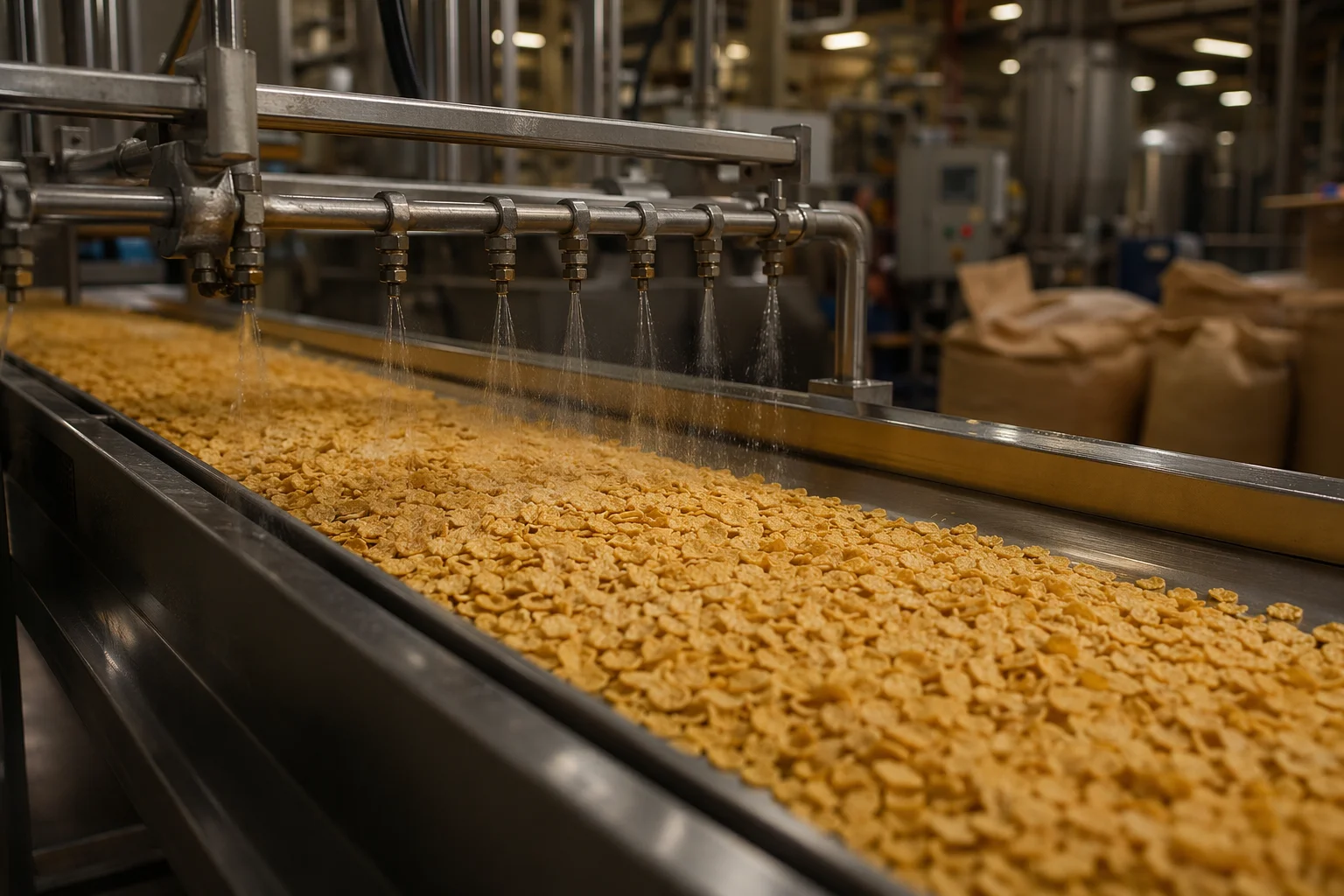
Fortified nutritional yeast is an inactive yeast ingredient used for savory taste, yellow-gold visual appeal, and nutrient contribution in vegan and vegetarian foods. It is commonly specified when a formulation needs umami, mild cheese-like notes, B-vitamin enrichment, or a non-animal protein source in a single dry ingredient. Buyers often compare it against yeast extract, vegetable powders, hydrolyzed plant proteins, and mineral-vitamin premixes, but nutritional yeast is distinct because it contributes both taste and macronutrient value.
In vegan food development, nutritional yeast fortification may support nutrient content statements when analytical values, serving size, and market rules align. Vitamin B12 is a frequent focus because many plant-based products are positioned for consumers who avoid animal-derived ingredients. Protein positioning requires equal care: the supplier specification, amino acid profile, nitrogen-to-protein conversion basis, and finished-product serving size all affect whether a complete-protein style message is appropriate. ArtemisYeast supports bulk ingredient programs for vegan food applications and related dry seasoning systems.
Common products and formulations
- Fortified nutritional yeast flakes: visible flakes for retail toppings, plant-based cheese shreds, savory garnish blends, and clean-label style seasonings where appearance matters.
- Fortified nutritional yeast powder: fine powder for sauces, soups, snack coatings, dips, instant mixes, meat alternatives, and applications needing fast dispersion.
- B12-fortified nutritional yeast: specified with target vitamin assay ranges and overage strategy based on shelf life, heat exposure, and finished-product serving size.
- High-protein nutritional yeast: selected where protein contribution, amino acid profile, and non-animal sourcing are central to the product concept.
- Low-salt or no-added-salt blends: useful when sodium targets are tight and seasoning systems already contain salt, acids, or flavor modulators.
- Custom particle-size lots: matched to dust control, coating adhesion, mouthfeel, or blending uniformity in high-throughput production.
ArtemisYeast organizes these options within nutritional yeast categories and can align lots with your product brief, pack format, and processing method.
How to choose
Start with the claim architecture, not the ingredient name. Define the intended serving size, target nutrient value at end of shelf life, vegan or vegetarian positioning, salt limits, allergen expectations, and whether the finished food will be heated, extruded, retorted, baked, or used as a dry topping. Then request supplier data that connects the bulk ingredient specification to finished-product feasibility.
| Decision criterion | What to ask for | Why it matters |
|---|---|---|
| B12 target | Assay range, fortificant source, batch testing, expected retention guidance | Supports accurate label calculations and reduces reformulation risk |
| Protein basis | Protein specification, amino acid profile, analytical method, serving-size assumptions | Helps evaluate complete-protein messaging and nutrition panel targets |
| Particle form | Flake size, powder mesh, bulk density, flow data | Affects blending, coating, dosing accuracy, dust, and mouthfeel |
| Sensory profile | Reference sample, usage-rate guidance, salt and bitter-note interaction | Prevents over-seasoning and supports consistent flavor release |
| Process fit | Heat exposure guidance, moisture limits, water activity considerations | Protects nutrient targets and texture in finished goods |
| Compliance package | Specification, COA, allergen statement, non-animal origin statement, traceability | Speeds supplier approval and customer audits |
For broad screening, review available bulk yeast products, then narrow the selection by application trial. A snack seasoning may need a fine powder with high adhesion, while a plant-based parmesan-style topping may need flakes with stronger visual identity.
Quality and documentation
Procurement teams should treat fortified nutritional yeast as both a food ingredient and a nutrient-bearing component. The most useful supplier package includes product specification, certificate of analysis, microbiological limits, heavy metal statement where applicable, allergen declaration, non-animal origin statement, GMO position if required by the target market, lot traceability, shelf-life guidance, storage conditions, and country-of-origin information. For B12-fortified material, request the tested vitamin value and understand whether the specification is expressed per 100 g, per kg, or by another basis.
R&D and quality teams should also confirm how the ingredient behaves in the finished matrix. Moisture pickup, oxidation, light exposure, heat, and pH can influence nutrient retention and sensory stability. Finished-product validation remains the brand owner’s responsibility, but a strong supplier can provide starting specifications and batch-level documents to shorten the approval path. ArtemisYeast provides documentation support through its quality and documentation process for approved bulk customers.
Why work with ArtemisYeast
- Application-led sourcing: ArtemisYeast helps match fortified nutritional yeast to vegan cheese alternatives, snacks, sauces, meal bases, and seasoning blends rather than quoting a generic commodity grade.
- Bulk procurement focus: Supply conversations are built around industrial pack sizes, recurring volume, lead time, documentation, and wholesale pricing on request.
- Specification clarity: Buyers can request nutrient ranges, particle form, sensory direction, and lot documentation before approving production orders.
- Custom support: For multi-plant launches or private-label programs, ArtemisYeast can review target use rate, packaging needs, and regulatory document requirements through a custom quote workflow.
To evaluate fortified nutritional yeast for your vegan food line, share the application, target claims, expected annual volume, pack size, destination market, and required documents. ArtemisYeast will respond with suitable options and a bulk quote on request.
Common questions
Can fortified nutritional yeast be used for vitamin B12 labeling in vegan foods?
Is nutritional yeast the same as yeast extract?
Can nutritional yeast support complete-protein positioning?
Which format is better for vegan cheese alternatives: flakes or powder?
What usage rate should R&D teams start with?
Does heat processing affect fortified nutritional yeast?
What documents should a buyer request before approval?
How is pricing handled for bulk fortified nutritional yeast?
Questions about nutritional yeast fortification?
Our team can recommend specific products and share documentation tailored to your application.