International Bulk Yeast Shipping Buyer Guide for Buyers
International bulk yeast shipping is the coordinated export, transport, import clearance, and delivery of palletized or containerized yeast products for industrial buyers. For procurement teams, the goal is not only to move cartons from origin to destination, but to protect yeast performance, documentation integrity, lot traceability, and production schedules. This guide explains how to plan shipment mode, lead time, packaging, temperature exposure, and import paperwork for dry yeast, inactive yeast, yeast extract, and related bulk formats. Buyers can review available product families at ArtemisYeast products and align shipping requirements before requesting wholesale pricing on request.
Need a quote or specifications? Email info@artemisyeast.com or use the quote form — our team replies within one business day with availability, documentation, and bulk pricing.
What this category/application covers
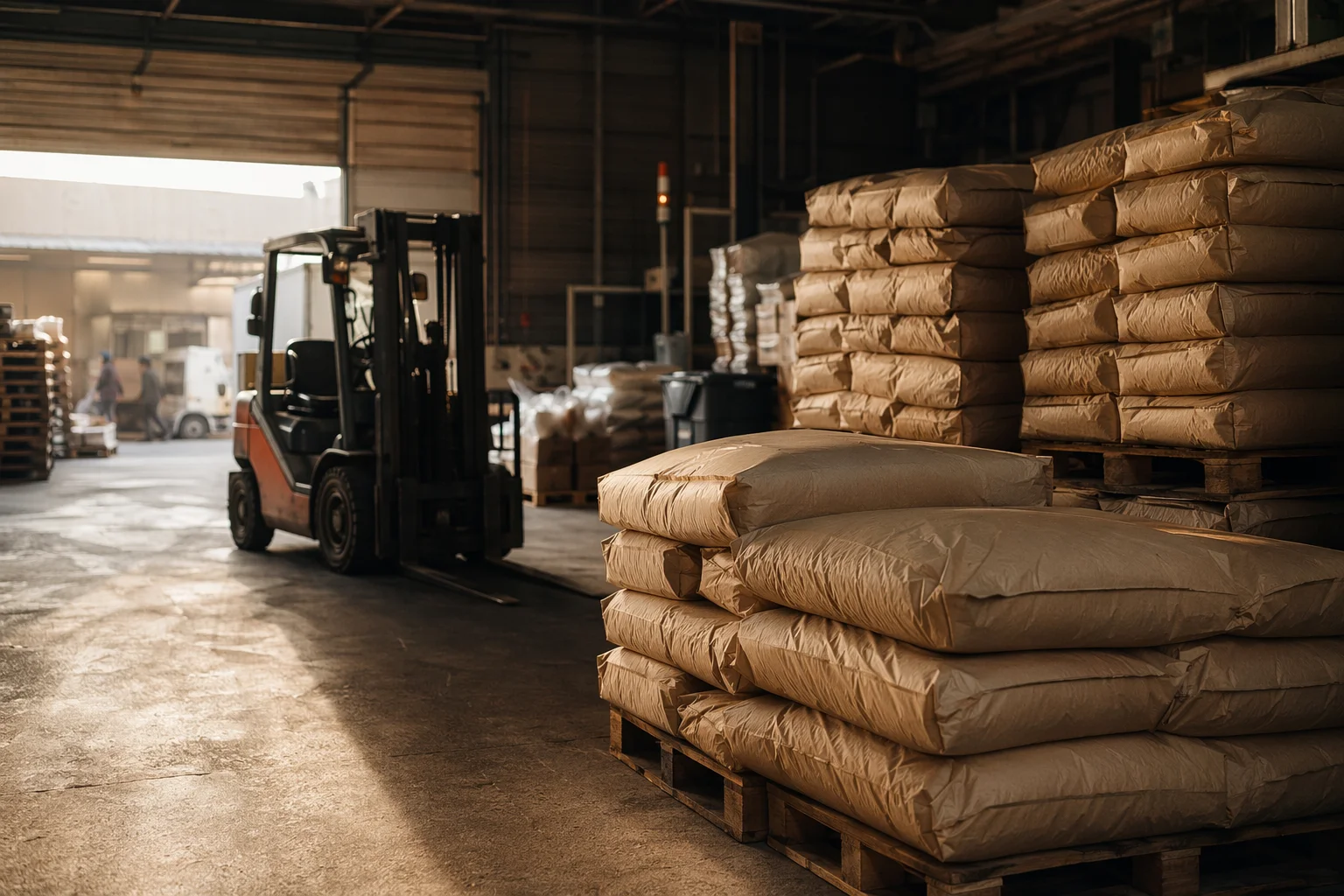
International bulk yeast shipping covers the logistics steps needed to supply industrial users across borders: order confirmation, production or stock allocation, export packing, booking, customs documents, freight movement, import clearance, and final delivery. The scope changes by yeast type. Instant dry yeast and active dry yeast are generally more robust for ocean freight when kept sealed, dry, and away from excessive heat. Inactive yeast, yeast extract, and autolyzed yeast used in food, feed, fermentation, and seasoning applications also require moisture protection and clean handling. More sensitive formats may need faster routing or temperature-controlled options.
Procurement managers should treat shipping as part of the specification, not as an afterthought. A technically acceptable product can still create production risk if transit time, port congestion, document errors, or poor warehouse handling are not managed. ArtemisYeast supports buyers serving bakery operations, brewing facilities, food plants, feed manufacturers, and bioprocess suppliers. Related categories include baking yeast, brewing yeast, and yeast extract.
| Shipping option | Best fit | Typical strengths | Planning cautions |
|---|---|---|---|
| Air freight | Urgent bulk replenishment, pilot lots, critical production needs | Fastest transit and lower exposure to long storage delays | Higher freight cost; airline capacity and battery or packaging rules may affect routing |
| LCL ocean freight | Smaller palletized orders below a full container | Economical for moderate volumes and market trials | More handling points; consolidation warehouses can add time and moisture exposure risk |
| FCL ocean freight | Regular container-volume procurement | Best control for sealed pallets and predictable landed cost | Requires inventory planning, destination storage capacity, and container unloading readiness |
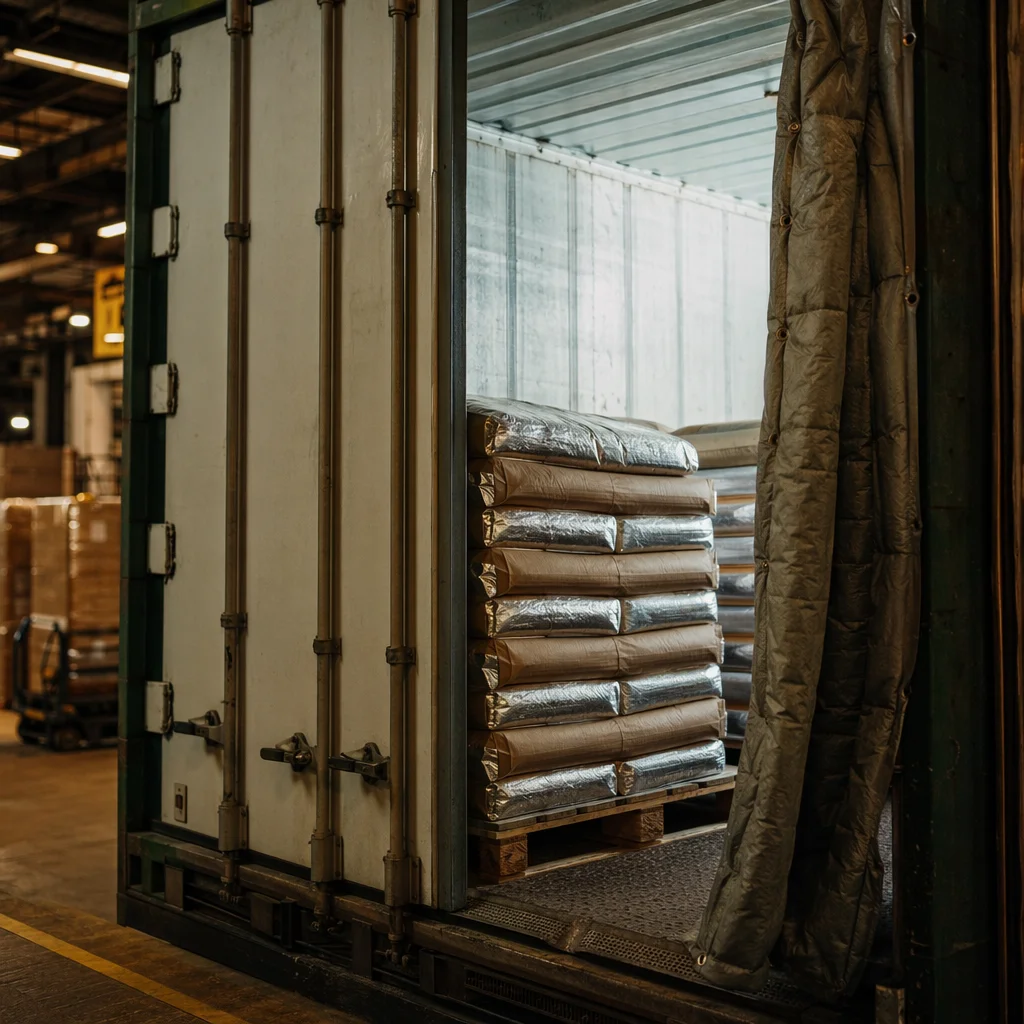
| Temperature-controlled freight | Heat-sensitive routes, long tropical lanes, or sensitive formats | Controls exposure during high-risk seasons | Needs earlier booking and clear temperature instructions on shipping documents |
| Courier sample shipment | R&D evaluation and pre-qualification | Fast sample movement before commercial order | Not a substitute for validating bulk import documents or pallet packaging |
Common products and formulations
- Instant dry yeast: frequently shipped in vacuum-packed bricks, bags, cartons, or palletized master cases for industrial bakery use. It is usually suited to ocean freight when protected from heat, humidity, puncture, and long uncontrolled storage.
- Active dry yeast: commonly purchased for bakery, fermentation, and ingredient applications. Buyers should confirm rehydration performance, viable count targets, packaging size, and recommended storage before selecting a slower route.
- Inactive dry yeast: used in food, feed, fermentation nutrients, and specialty ingredient systems. Key logistics points are moisture barrier packaging, odor control, clean palletization, and lot segregation.
- Yeast extract and autolyzed yeast: supplied as powder or paste depending on use. Powder forms typically ship more easily across borders, while paste formats may require stricter packaging and temperature planning.
- Feed yeast and nutritional yeast ingredients: ordered by feed operators and premix manufacturers. Confirm particle size, carrier status, label language, and destination documentation expectations before booking.
- Application-specific blends: R&D teams may need bakery, brewing, seasoning, or process-nutrient customization. For technical matching, buyers can review bakery applications or request a tailored assessment through custom quote support.
How to choose
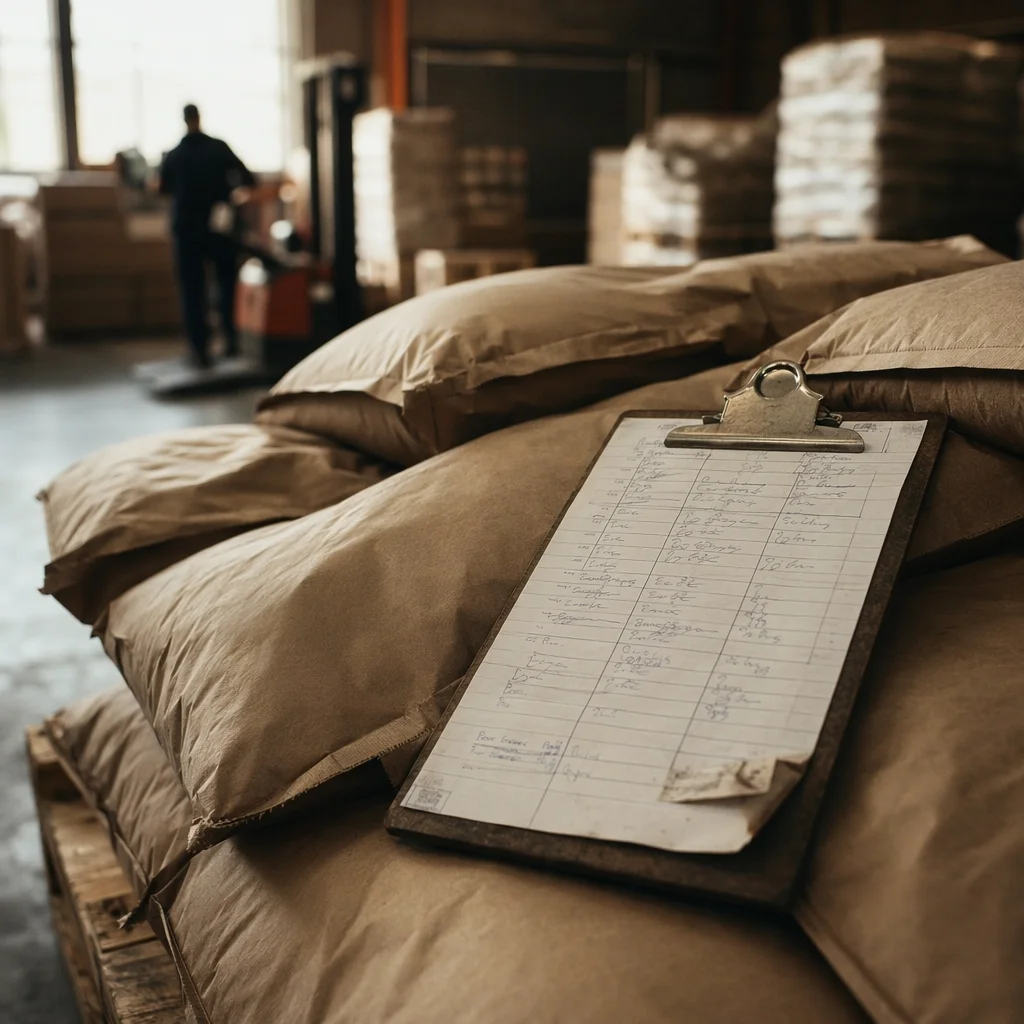
Start with product stability, required delivery date, and order volume. Dry yeast products usually favor palletized LCL or FCL ocean freight for recurring wholesale procurement, while urgent line-down requirements may justify air freight. For seasonal peaks, build a buffer that covers production time, vessel booking, export clearance, port movement, destination customs, inland trucking, and receiving inspection. A realistic lead-time plan is often more valuable than the shortest quoted transit time.
Use concrete decision criteria. First, define acceptable shelf-life remaining at arrival, not only at shipment. Second, confirm packaging strength for the route: carton compression, pallet wrap, moisture barrier, vacuum integrity, and container loading pattern. Third, review climate exposure. Routes crossing hot ports, monsoon seasons, or long inland legs may need faster movement or controlled storage instructions. Fourth, validate import requirements before production starts. Ingredient classification, HS code alignment, label language, certificates, and importer registration can change the schedule. Fifth, compare landed cost, not freight cost alone. A low freight quote can become expensive if it creates demurrage, rework, missed production, or rejected documents.
For contract buyers, standardize incoterms, preferred ports, minimum order quantities, carton marks, pallet height, and receiving appointment rules. If your team needs commercial options, use request quote with destination country, annual volume, preferred format, and desired arrival window. ArtemisYeast provides bulk quote on request rather than public price lists, because freight, packaging, volume, and documentation requirements change by lane.
Quality and documentation
Documentation should be planned at quotation stage. Common document packs include commercial invoice, packing list, certificate of analysis, product specification, safety data sheet where applicable, certificate of origin, lot number statement, shelf-life statement, allergen declaration, non-GMO statement when relevant, and halal or kosher documentation when required by the buyer. Some destinations may request sanitary, fumigation, or additional import declarations. The importer of record should confirm local rules before shipment booking.
Quality control for international shipping focuses on traceability and condition at receipt. Each lot should be identifiable from production batch through carton, pallet, invoice, and certificate. Receiving teams should inspect seal condition, carton damage, pallet stability, moisture signs, odor contamination, and temperature exposure indicators if used. For yeast performance, retain samples according to internal QA procedures and compare against the agreed specification.
ArtemisYeast supports procurement review through specification checks, export document alignment, and pre-shipment coordination. Buyers can reference quality and documentation information when preparing supplier approval files or onboarding a new yeast material.
Why work with ArtemisYeast
- B2B logistics mindset: ArtemisYeast works with industrial buyers that need predictable supply, not one-off retail parcels.
- Broad yeast portfolio: product options cover bakery, brewing, food ingredient, feed, and process applications, allowing consolidated procurement across related categories.
- Documentation coordination: export paperwork, lot references, specifications, and buyer-requested declarations can be reviewed before shipment where applicable.
- Practical routing guidance: the team helps compare air, LCL, FCL, and controlled options based on volume, route, product type, and arrival deadline.
- Wholesale inquiry model: quotes are prepared for bulk requirements, annual demand, destination, packaging format, and service level rather than posted as public prices.
To plan your next international shipment, send the destination country, yeast type, packaging preference, estimated volume, requested incoterm, and target arrival date. ArtemisYeast can respond with product availability, documentation options, and wholesale pricing on request for your procurement review.
Common questions
What information is needed to quote international bulk yeast shipping?
Is ocean freight suitable for dry yeast products?
When should buyers choose air freight?
What documents are typically required for yeast import clearance?
How can buyers reduce delays at destination customs?
How much lead time should procurement teams plan?
Can ArtemisYeast support recurring international supply programs?
Are public freight-inclusive prices available online?
Questions about international bulk yeast shipping?
Our team can recommend specific products and share documentation tailored to your application.